
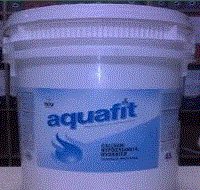
Chlorine
  • Seen : 578 View

0
Chlorine

Description: Chlorine is a chemical element with the atomic number 2 written in Cl. This element is in the group 2 (halogens) of the periodic table because chlorine ion is a part of salt and other compounds found abundantly in nature and widely used in human life. has it. Chlorine in its elemental form (Cl2) under standard conditions is a strong chloride (oxidant) that is used for bleaching fabrics and as a disinfectant as an important factor in the industry. Chlorine gas is yellowish green, two and a half times heavier than air, has a very bad and suffocating odor and is very toxic. It is an oxidizing, bleaching and disinfectant. Chlorine as a part of salts and other compounds is abundant in nature, and necessarily in most organisms. Chlorine is used as a disinfectant in swimming pools to clean and sanitize them, sometimes in the upper atmosphere there are chlorinated compounds such as chlorofluorocarbons that are effective in depleting the ozone layer. Properties of Attitude Physical Properties: At standard temperature and pressure two chlorine atoms give rise to a chlorine 2 atom atom Cl2 is a green, yellow gas with a strong odor (bleaching odor). Very responsive. The boiling point is about -5 ° C but can be liquefied at room temperature under high atmospheric pressure. Chemical Properties: With elemental chlorine, iodine and bromine, chlorine is an element of the halogen series (group 1). It forms chlorine with almost all of its constituents and forms chloride compounds. Chlorine gas reacts with most organic compounds, even inactivating the burning of hydrocarbons. It is noteworthy that the pure form of this chemical element is in the form of diatomic and green gas. The name chlorine derives from the word chloros, which means yellowish green, which refers to the color of the gas. This element is part of the salt-forming halogen group and is produced by oxidation of chlorides or by electrolysis in a standard solution of 2 liters of water, 2.8 liters, and only 0.5 liters of chlorine in 2 degrees water. Applications Chlorine is an important chemical element in water treatment, disinfectants in bleach and in mustard gas. Chlorine is also used in making a wide range of everyday items. Used to kill bacteria and other germs in drinking water supplies. Even small reserves of water are always added to chlorine today. Used in the production of paper products, disinfectants, pigments, foodstuffs, insecticides, dyes, petroleum products, plastics, pharmaceuticals, textiles, solvents and many other consumables. In organic compounds, when chlorine is replaced by hydrogen ("synthetic rubber"), it often gives rise to the properties required for these compounds, so it is widely used as an oxidizing and substituting agent in organic compounds. Other uses for chlorine include chlorate, chloroform, carbon tetrachloride and bromine extraction. Chlorine alert stimulates the respiratory system, especially in children and the elderly. Chlorine in the gaseous state causes swelling of the mucous membrane and, in liquid, causes skin burns. Its 0.8 ppm is needed to be recognized as a distinct odor and its ppm value is lethal. For this reason, during his life as a professor in World War I, Clare was one of the gases used as war gas. Exposure to this gas should not exceed 0.8 ppm (weighted average of 1 hour - 7 hours per week). Severe exposure to high amounts of concentrated chlorine (but not lethal amounts) can cause lung edema or dehydration, which is a very serious condition. Constant exposure to small amounts of those lungs weakens and increases the vulnerability of the lungs to other diseases. When bleaching agents are mixed with ammonia, urea and other detergent products, there is a possibility of producing toxic gases. These gases contain a mixture of chlorine gas and nitrogen trichloride, so such a combination should be avoided. Chemical process of mercury cell electrolysis of chlorine gas Mercury cell electrolysis was the first method of production of chlorine on an industrial scale. The titanium anodes are placed over a liquid mercury cathode, a solution of sodium chloride is inserted between the two electrodes. When the electric current is established, the chloride is released to the side of the titanium anodes, and sodium is precipitated in mercury. The amalgam can be converted to mercury by water by reactivating it, creating hydrogen and sodium hydroxide. These are useful by-products themselves. This method consumes large amounts of energy, but there are also concerns about the release of mercury into the environment. The electrolysis of an asbestos diaphragm cell is mounted on a cathode iron grid to prevent re-mixing of chlorine formed at the anode and sodium hydroxide formed at the cathode. This method consumes less energy than the mercury cell method, but sodium hydroxide can be difficult to collect and useful. Electrolysis of the shell cell The electrolysis cell is divided into two parts by a shell, which acts as an ion exchanger. Soak sodium chloride solution at the anode side and distilled water at the cathode side. This method is about as cost effective as the diaphragm cell and again produces very pure sodium hydroxide.

Saler Company Information

Company : Kimia Commercial
Mobile : 00989122123027
Phone : 00982177738301
More Information : View
Online order registration form
No comments have been posted yet
loading
Your comment has been sent
Chlorine

Description: Chlorine is a chemical element with the atomic number 2 written in Cl. This element is in the group 2 (halogens) of the periodic table because chlorine ion is a part of salt and other compounds found abundantly in nature and widely used in human life. has it. Chlorine in its elemental form (Cl2) under standard conditions is a strong chloride (oxidant) that is used for bleaching fabrics and as a disinfectant as an important factor in the industry. Chlorine gas is yellowish green, two and a half times heavier than air, has a very bad and suffocating odor and is very toxic. It is an oxidizing, bleaching and disinfectant. Chlorine as a part of salts and other compounds is abundant in nature, and necessarily in most organisms. Chlorine is used as a disinfectant in swimming pools to clean and sanitize them, sometimes in the upper atmosphere there are chlorinated compounds such as chlorofluorocarbons that are effective in depleting the ozone layer. Properties of Attitude Physical Properties: At standard temperature and pressure two chlorine atoms give rise to a chlorine 2 atom atom Cl2 is a green, yellow gas with a strong odor (bleaching odor). Very responsive. The boiling point is about -5 ° C but can be liquefied at room temperature under high atmospheric pressure. Chemical Properties: With elemental chlorine, iodine and bromine, chlorine is an element of the halogen series (group 1). It forms chlorine with almost all of its constituents and forms chloride compounds. Chlorine gas reacts with most organic compounds, even inactivating the burning of hydrocarbons. It is noteworthy that the pure form of this chemical element is in the form of diatomic and green gas. The name chlorine derives from the word chloros, which means yellowish green, which refers to the color of the gas. This element is part of the salt-forming halogen group and is produced by oxidation of chlorides or by electrolysis in a standard solution of 2 liters of water, 2.8 liters, and only 0.5 liters of chlorine in 2 degrees water. Applications Chlorine is an important chemical element in water treatment, disinfectants in bleach and in mustard gas. Chlorine is also used in making a wide range of everyday items. Used to kill bacteria and other germs in drinking water supplies. Even small reserves of water are always added to chlorine today. Used in the production of paper products, disinfectants, pigments, foodstuffs, insecticides, dyes, petroleum products, plastics, pharmaceuticals, textiles, solvents and many other consumables. In organic compounds, when chlorine is replaced by hydrogen ("synthetic rubber"), it often gives rise to the properties required for these compounds, so it is widely used as an oxidizing and substituting agent in organic compounds. Other uses for chlorine include chlorate, chloroform, carbon tetrachloride and bromine extraction. Chlorine alert stimulates the respiratory system, especially in children and the elderly. Chlorine in the gaseous state causes swelling of the mucous membrane and, in liquid, causes skin burns. Its 0.8 ppm is needed to be recognized as a distinct odor and its ppm value is lethal. For this reason, during his life as a professor in World War I, Clare was one of the gases used as war gas. Exposure to this gas should not exceed 0.8 ppm (weighted average of 1 hour - 7 hours per week). Severe exposure to high amounts of concentrated chlorine (but not lethal amounts) can cause lung edema or dehydration, which is a very serious condition. Constant exposure to small amounts of those lungs weakens and increases the vulnerability of the lungs to other diseases. When bleaching agents are mixed with ammonia, urea and other detergent products, there is a possibility of producing toxic gases. These gases contain a mixture of chlorine gas and nitrogen trichloride, so such a combination should be avoided. Chemical process of mercury cell electrolysis of chlorine gas Mercury cell electrolysis was the first method of production of chlorine on an industrial scale. The titanium anodes are placed over a liquid mercury cathode, a solution of sodium chloride is inserted between the two electrodes. When the electric current is established, the chloride is released to the side of the titanium anodes, and sodium is precipitated in mercury. The amalgam can be converted to mercury by water by reactivating it, creating hydrogen and sodium hydroxide. These are useful by-products themselves. This method consumes large amounts of energy, but there are also concerns about the release of mercury into the environment. The electrolysis of an asbestos diaphragm cell is mounted on a cathode iron grid to prevent re-mixing of chlorine formed at the anode and sodium hydroxide formed at the cathode. This method consumes less energy than the mercury cell method, but sodium hydroxide can be difficult to collect and useful. Electrolysis of the shell cell The electrolysis cell is divided into two parts by a shell, which acts as an ion exchanger. Soak sodium chloride solution at the anode side and distilled water at the cathode side. This method is about as cost effective as the diaphragm cell and again produces very pure sodium hydroxide.

Saler Company Information

Company : Kimia Commercial
Mobile : 00989122123027
Phone : 00982177738301
More Information : View
Online order registration form