
• Seen : 217 View

0
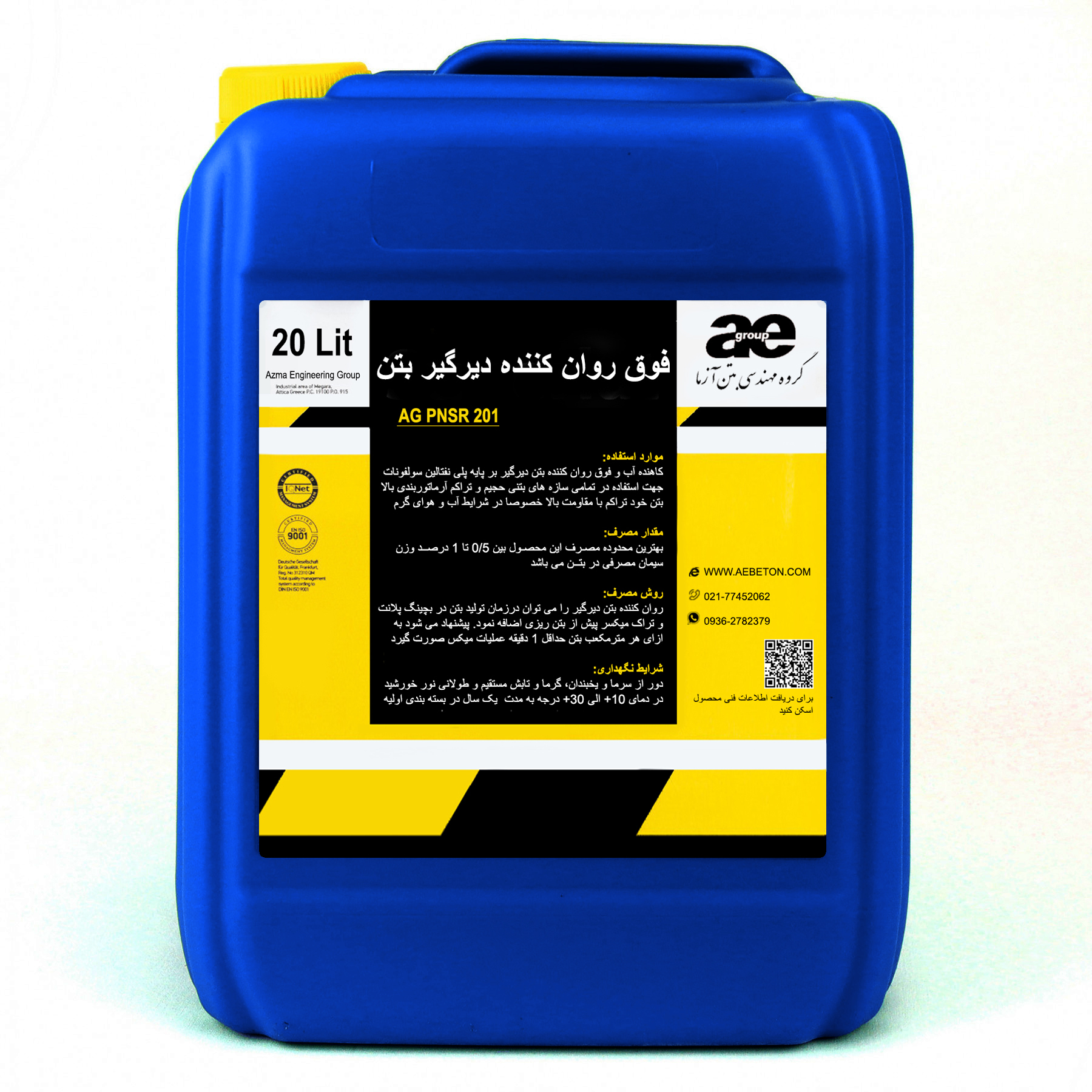
Delayed-setting concrete superplasticizer; a professional solution for concreting in difficult conditions and large projects If you are looking for an admixture that can controllably delay the working and setting time of concrete while providing exceptional fluidity, then a retarding concrete superplasticizer is the ideal choice. Utilizing the most advanced technology available in the concrete admixture industry, this product is specifically designed for projects that involve hot weather, long distances or dense reinforcement. What is a delayed-release superplasticizer and how does it work? Delayed setting superplasticizers are a combination of two key admixture categories: high-performance superplasticizers and retarders. New generation superplasticizers, often based on polycarboxylate ethers (PCE), create steric and electrostatic repulsion to separate cement particles and greatly increase the fluidity of concrete at very low water-to-cement ratios. Key Benefits: Increasing the working time and preventing premature setting in hot weather, which is one of the main challenges of concrete pouring in tropical regions, are among the most important advantages of this product. Significant reduction in water consumption (up to 30%) leads to a significant increase in compressive strength, durability and reduced permeability of concrete. Long-term slump retention allows concrete to be transported over long distances and for longer working times. This product significantly increases the final quality of the structure by reducing the risk of cold joints in bulk concrete pouring, as well as improving surface finish and reducing cracks caused by plastic shrinkage. The delayed-setting superplasticizer has excellent compatibility with all types of cement and pozzolanic materials such as microsilica, fly ash and slag. Main applications: Concreting in hot weather and high temperature areas, where rapid setting of concrete is a major problem. Ready-mix concretes that require long-distance transportation. Bulky concretes such as dams, foundations and piles that require more time to execute. Projects with dense reinforcement that require more time to vibrate and compact. Production of precast concrete parts that require adequate opening time. Self-compacting concrete (SCC) and high-strength concrete (HPC). Prestressing systems and slipforms. Suggested dosage: The amount of retarding superplasticizer used usually varies between 0.2 and 2% by weight of the cement used, and its effect is highly dependent on ambient temperature, cement type, mixing design, and other ingredients. The selection of the appropriate type and amount of superplasticizer should be determined by the specific conditions of each project and by conducting site tests. Excessive use can cause a very long delay in setting and even a decrease in final strength. Also, incompatibility between cement and superplasticizer can lead to problems such as rapid setting, severe retardation, or early hardening, so it is absolutely necessary to conduct compatibility tests with the materials used in the project.

Saler Company Information

Company : گروه مهندسی بتن آزما
Phone : 02177452062
More Information : View
Online order registration form
No comments have been posted yet
loading
Your comment has been sent
Delayed-setting concrete superplasticizer; a professional solution for concreting in difficult conditions and large projects If you are looking for an admixture that can controllably delay the working and setting time of concrete while providing exceptional fluidity, then a retarding concrete superplasticizer is the ideal choice. Utilizing the most advanced technology available in the concrete admixture industry, this product is specifically designed for projects that involve hot weather, long distances or dense reinforcement. What is a delayed-release superplasticizer and how does it work? Delayed setting superplasticizers are a combination of two key admixture categories: high-performance superplasticizers and retarders. New generation superplasticizers, often based on polycarboxylate ethers (PCE), create steric and electrostatic repulsion to separate cement particles and greatly increase the fluidity of concrete at very low water-to-cement ratios. Key Benefits: Increasing the working time and preventing premature setting in hot weather, which is one of the main challenges of concrete pouring in tropical regions, are among the most important advantages of this product. Significant reduction in water consumption (up to 30%) leads to a significant increase in compressive strength, durability and reduced permeability of concrete. Long-term slump retention allows concrete to be transported over long distances and for longer working times. This product significantly increases the final quality of the structure by reducing the risk of cold joints in bulk concrete pouring, as well as improving surface finish and reducing cracks caused by plastic shrinkage. The delayed-setting superplasticizer has excellent compatibility with all types of cement and pozzolanic materials such as microsilica, fly ash and slag. Main applications: Concreting in hot weather and high temperature areas, where rapid setting of concrete is a major problem. Ready-mix concretes that require long-distance transportation. Bulky concretes such as dams, foundations and piles that require more time to execute. Projects with dense reinforcement that require more time to vibrate and compact. Production of precast concrete parts that require adequate opening time. Self-compacting concrete (SCC) and high-strength concrete (HPC). Prestressing systems and slipforms. Suggested dosage: The amount of retarding superplasticizer used usually varies between 0.2 and 2% by weight of the cement used, and its effect is highly dependent on ambient temperature, cement type, mixing design, and other ingredients. The selection of the appropriate type and amount of superplasticizer should be determined by the specific conditions of each project and by conducting site tests. Excessive use can cause a very long delay in setting and even a decrease in final strength. Also, incompatibility between cement and superplasticizer can lead to problems such as rapid setting, severe retardation, or early hardening, so it is absolutely necessary to conduct compatibility tests with the materials used in the project.

Saler Company Information

Company : گروه مهندسی بتن آزما
Phone : 02177452062
More Information : View
Online order registration form