• Seen : 214 View

0
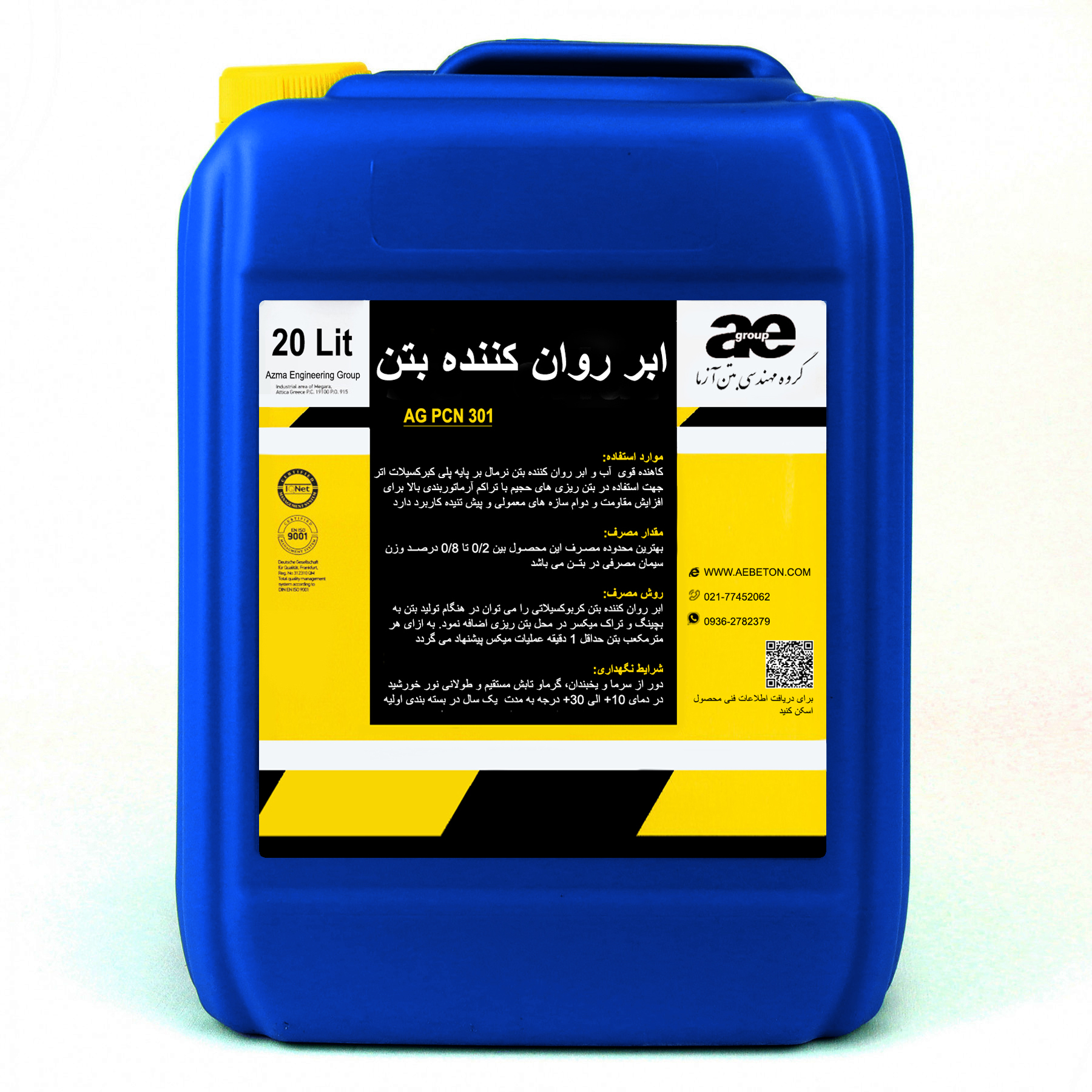
Carboxylate superplasticizer; a new generation technology for high-performance concrete If you are looking for an additive that can have the greatest impact on the performance and strength of concrete with the least amount of consumption, carboxylate superplasticizer is an excellent choice. This product, abbreviated as PCE, is considered the third generation and most advanced type of concrete superplasticizer and has revolutionized the concrete industry with its unique molecular structure. What is a carboxylate superlubricant and how does it work? Carboxylate superplasticizers are hydrophilic polymers that consist of two main parts: a main chain with carboxylate groups and long polyethylene glycol side chains. This comb structure allows them to separate cement particles by two simultaneous mechanisms. The carboxylate groups are adsorbed on the cement particles and prevent them from sticking together by creating an electrostatic repulsion force. At the same time, the side chains form a physical protective layer around the cement particles by creating a steric hindrance, preventing them from coming closer and clumping. This dual function allows carboxylate superplasticizers to significantly reduce the water-to-cement ratio while providing excellent fluidity to the concrete. Key Benefits Very high reduction of water consumption up to 40%, which leads to a significant increase in the compressive, flexural and tensile strengths of concrete. Unparalleled increase in concrete efficiency and fluidity, enabling the production of self-compacting concrete (SCC) and high-strength concrete. Long-term slump retention, which enables the transportation of concrete over long distances and longer workability times. Excellent compatibility with various cements and pozzolanic materials such as microsilica, fly ash and slag. Increased durability and useful life of concrete due to reduced porosity and permeability due to the low water-to-cement ratio. Economic savings by reducing cement consumption and increasing productivity in production and execution. Main applications Production of self-compacting concrete (SCC) for densely reinforced structures. High-strength concrete (HPC) and ultra-high-performance concrete (UHPC) for special projects such as bridges and tall buildings. Precast concrete industry to reduce molding time and increase production speed. Ready-mix concrete for long-distance transportation. Projects with unsuitable aggregates or containing clay that can negatively affect the performance of other lubricants. Prestressed systems and slipforms. Suggested usage The dosage of carboxylate superplasticizer usually varies between 0.2 and 2% by weight of cement used, and its effect is highly dependent on the type of cement, mixing design, ambient temperature, and other ingredients. Excessive dosage can cause segregation, water loss, and even reduce the ultimate strength of concrete. Therefore, it is absolutely necessary to conduct field tests to determine the optimal dosage and adapt it to the conditions of each project.

Saler Company Information

Company : گروه مهندسی بتن آزما
Phone : 02177452062
More Information : View
Online order registration form
No comments have been posted yet
loading
Your comment has been sent
Carboxylate superplasticizer; a new generation technology for high-performance concrete If you are looking for an additive that can have the greatest impact on the performance and strength of concrete with the least amount of consumption, carboxylate superplasticizer is an excellent choice. This product, abbreviated as PCE, is considered the third generation and most advanced type of concrete superplasticizer and has revolutionized the concrete industry with its unique molecular structure. What is a carboxylate superlubricant and how does it work? Carboxylate superplasticizers are hydrophilic polymers that consist of two main parts: a main chain with carboxylate groups and long polyethylene glycol side chains. This comb structure allows them to separate cement particles by two simultaneous mechanisms. The carboxylate groups are adsorbed on the cement particles and prevent them from sticking together by creating an electrostatic repulsion force. At the same time, the side chains form a physical protective layer around the cement particles by creating a steric hindrance, preventing them from coming closer and clumping. This dual function allows carboxylate superplasticizers to significantly reduce the water-to-cement ratio while providing excellent fluidity to the concrete. Key Benefits Very high reduction of water consumption up to 40%, which leads to a significant increase in the compressive, flexural and tensile strengths of concrete. Unparalleled increase in concrete efficiency and fluidity, enabling the production of self-compacting concrete (SCC) and high-strength concrete. Long-term slump retention, which enables the transportation of concrete over long distances and longer workability times. Excellent compatibility with various cements and pozzolanic materials such as microsilica, fly ash and slag. Increased durability and useful life of concrete due to reduced porosity and permeability due to the low water-to-cement ratio. Economic savings by reducing cement consumption and increasing productivity in production and execution. Main applications Production of self-compacting concrete (SCC) for densely reinforced structures. High-strength concrete (HPC) and ultra-high-performance concrete (UHPC) for special projects such as bridges and tall buildings. Precast concrete industry to reduce molding time and increase production speed. Ready-mix concrete for long-distance transportation. Projects with unsuitable aggregates or containing clay that can negatively affect the performance of other lubricants. Prestressed systems and slipforms. Suggested usage The dosage of carboxylate superplasticizer usually varies between 0.2 and 2% by weight of cement used, and its effect is highly dependent on the type of cement, mixing design, ambient temperature, and other ingredients. Excessive dosage can cause segregation, water loss, and even reduce the ultimate strength of concrete. Therefore, it is absolutely necessary to conduct field tests to determine the optimal dosage and adapt it to the conditions of each project.

Saler Company Information

Company : گروه مهندسی بتن آزما
Phone : 02177452062
More Information : View
Online order registration form