• Seen : 184 View

0
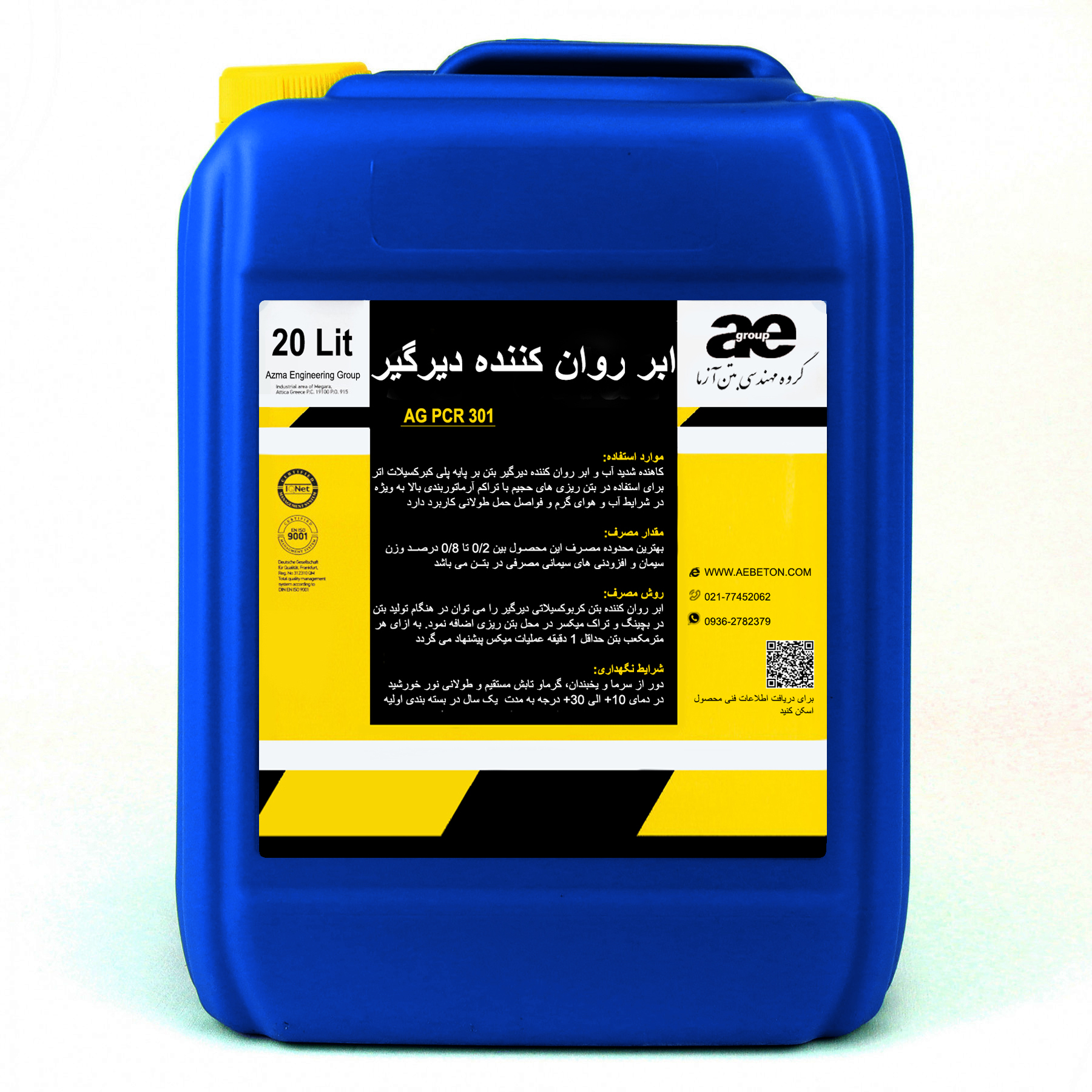
Carboxylate superplasticizer for concrete; a new solution for pouring concrete in hot weather and large projects If you are looking for an admixture that provides both exceptional fluidity and long-term workability for your concrete, a carboxylate retarding superplasticizer is the ideal choice. Based on polycarboxylate ether (PCE), this new generation product, with its unique comb molecular structure, performs far superior to previous generations such as lignosulfonates and naphthalene sulfonates in terms of water reduction, workability enhancement, and long-term fluidity retention of concrete. Dual action mechanism for tough conditions The secret of this product’s success lies in its two simultaneous functions. On the one hand, the long polyethylene glycol chains prevent cement particles from sticking together by creating a stable steric barrier and give the concrete an unparalleled fluidity. On the other hand, retarding compounds such as sodium gluconate or gluconic acid delay the hydration process by creating calcium chelate and increase the setting time. This feature makes it an ideal solution for projects that face the challenge of long-term concrete transportation or pouring in hot weather. Studies show that combining carboxylate superplasticizers with appropriate retarders can increase the workability of concrete by up to 150 minutes. Key Benefits Exceptional reduction of water consumption by up to 30%, leading to a significant increase in compressive and flexural strengths. Unparalleled increase in fluidity, efficiency and ease of pumping and compaction, even in concrete with high reinforcement density. Long-term fluidity retention (Slump Retention) that allows concrete to be transported over long distances. Adjustment of setting time according to project conditions and prevention of premature setting in hot weather. Increased ultimate strength and durability of concrete due to reduced water-cement ratio and improved microstructure. Excellent compatibility with all types of cement and pozzolanic materials such as microsilica and metakaolin. Main applications Concrete pouring in hot weather and high temperature areas. Ready-mix concrete that requires long-distance transportation. Bulky concrete pouring such as dams, foundations and piles. Projects with dense reinforcement and requiring more time for vibration. Production of precast concrete parts requiring appropriate opening time. Self-compacting concrete (SCC) and high-strength concrete (HPC). Prestressed systems and slipforms. Suggested usage It usually varies between 0.2 and 1.5 percent of the weight of the cement used, and its effect is highly dependent on ambient temperature, cement type, mixing design, and other ingredients. Excessive use can cause very long delays in setting and even reduce final strength, so it is essential to conduct field tests to determine the optimal dosage.

Saler Company Information

Company : گروه مهندسی بتن آزما
Phone : 02177452062
More Information : View
Online order registration form
No comments have been posted yet
loading
Your comment has been sent
Carboxylate superplasticizer for concrete; a new solution for pouring concrete in hot weather and large projects If you are looking for an admixture that provides both exceptional fluidity and long-term workability for your concrete, a carboxylate retarding superplasticizer is the ideal choice. Based on polycarboxylate ether (PCE), this new generation product, with its unique comb molecular structure, performs far superior to previous generations such as lignosulfonates and naphthalene sulfonates in terms of water reduction, workability enhancement, and long-term fluidity retention of concrete. Dual action mechanism for tough conditions The secret of this product’s success lies in its two simultaneous functions. On the one hand, the long polyethylene glycol chains prevent cement particles from sticking together by creating a stable steric barrier and give the concrete an unparalleled fluidity. On the other hand, retarding compounds such as sodium gluconate or gluconic acid delay the hydration process by creating calcium chelate and increase the setting time. This feature makes it an ideal solution for projects that face the challenge of long-term concrete transportation or pouring in hot weather. Studies show that combining carboxylate superplasticizers with appropriate retarders can increase the workability of concrete by up to 150 minutes. Key Benefits Exceptional reduction of water consumption by up to 30%, leading to a significant increase in compressive and flexural strengths. Unparalleled increase in fluidity, efficiency and ease of pumping and compaction, even in concrete with high reinforcement density. Long-term fluidity retention (Slump Retention) that allows concrete to be transported over long distances. Adjustment of setting time according to project conditions and prevention of premature setting in hot weather. Increased ultimate strength and durability of concrete due to reduced water-cement ratio and improved microstructure. Excellent compatibility with all types of cement and pozzolanic materials such as microsilica and metakaolin. Main applications Concrete pouring in hot weather and high temperature areas. Ready-mix concrete that requires long-distance transportation. Bulky concrete pouring such as dams, foundations and piles. Projects with dense reinforcement and requiring more time for vibration. Production of precast concrete parts requiring appropriate opening time. Self-compacting concrete (SCC) and high-strength concrete (HPC). Prestressed systems and slipforms. Suggested usage It usually varies between 0.2 and 1.5 percent of the weight of the cement used, and its effect is highly dependent on ambient temperature, cement type, mixing design, and other ingredients. Excessive use can cause very long delays in setting and even reduce final strength, so it is essential to conduct field tests to determine the optimal dosage.

Saler Company Information

Company : گروه مهندسی بتن آزما
Phone : 02177452062
More Information : View
Online order registration form