• Seen : 183 View

0
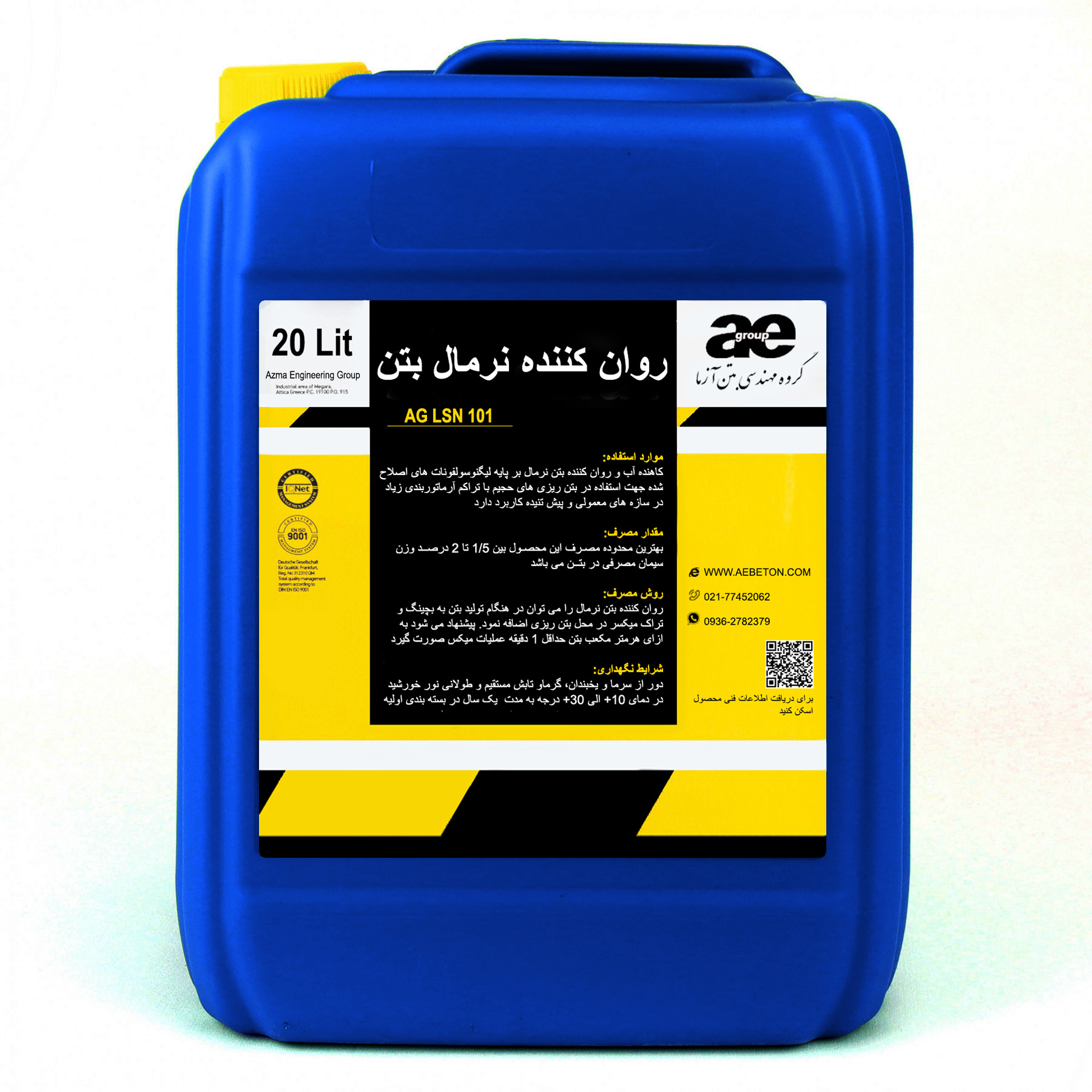
Lignosulfonate-based concrete lubricant; an economical solution to improve concrete performance If you are looking for a cost-effective and efficient admixture to improve the workability of concrete, a lignosulfonate-based plasticizer is an ideal choice. Derived from lignin, a natural polymer found in wood, this product is known as a concrete water reducer or first-generation concrete plasticizer and is one of the most common chemical admixtures in the construction industry. What is lignosulfonate and how does it work? Lignosulfonates, often abbreviated as LS, are renewable polymeric surfactants derived from the paper pulping process (black liquor). As a lubricant and water reducer, it adsorbs onto cement particles, displacing them and preventing them from forming lumps. As a result, water trapped between the particles is released and the fluidity of the concrete is significantly increased. Key Benefits: - Reducing water consumption in concrete (usually between 8 and 12% in conventional concretes) - Increased compressive strength and durability of concrete due to reduced water to cement ratio - Increase fluidity and efficiency and improve concrete pumpability - Preventing water loss and grain separation and reducing surface cracks - Economic savings due to reasonable price compared to other additives - Setting time adjustment (possibility of producing normal, fast-setting and slow-setting types) according to weather conditions and project - Environmentally friendly; a renewable and biodegradable material Main applications: - General concreting and construction projects - Concrete with unsuitable aggregates - Improved efficiency in molds with high reinforcement density - Massive concrete and waterproof structures - Reducing cement grade in mixing designs Suggested dosage: The amount of lignosulfonate used usually varies between 0.2 and 0.6 percent of the weight of cement. It is important to note that increasing the dosage beyond the permissible limit can delay setting and even reduce the final strength of concrete due to the presence of natural sugars in its structure. Therefore, it is absolutely necessary to conduct field tests to determine the optimal dosage according to the type of cement, environmental conditions, and mixing design.

Saler Company Information

Company : گروه مهندسی بتن آزما
Phone : 02177452062
More Information : View
Online order registration form
No comments have been posted yet
loading
Your comment has been sent
Lignosulfonate-based concrete lubricant; an economical solution to improve concrete performance If you are looking for a cost-effective and efficient admixture to improve the workability of concrete, a lignosulfonate-based plasticizer is an ideal choice. Derived from lignin, a natural polymer found in wood, this product is known as a concrete water reducer or first-generation concrete plasticizer and is one of the most common chemical admixtures in the construction industry. What is lignosulfonate and how does it work? Lignosulfonates, often abbreviated as LS, are renewable polymeric surfactants derived from the paper pulping process (black liquor). As a lubricant and water reducer, it adsorbs onto cement particles, displacing them and preventing them from forming lumps. As a result, water trapped between the particles is released and the fluidity of the concrete is significantly increased. Key Benefits: - Reducing water consumption in concrete (usually between 8 and 12% in conventional concretes) - Increased compressive strength and durability of concrete due to reduced water to cement ratio - Increase fluidity and efficiency and improve concrete pumpability - Preventing water loss and grain separation and reducing surface cracks - Economic savings due to reasonable price compared to other additives - Setting time adjustment (possibility of producing normal, fast-setting and slow-setting types) according to weather conditions and project - Environmentally friendly; a renewable and biodegradable material Main applications: - General concreting and construction projects - Concrete with unsuitable aggregates - Improved efficiency in molds with high reinforcement density - Massive concrete and waterproof structures - Reducing cement grade in mixing designs Suggested dosage: The amount of lignosulfonate used usually varies between 0.2 and 0.6 percent of the weight of cement. It is important to note that increasing the dosage beyond the permissible limit can delay setting and even reduce the final strength of concrete due to the presence of natural sugars in its structure. Therefore, it is absolutely necessary to conduct field tests to determine the optimal dosage according to the type of cement, environmental conditions, and mixing design.

Saler Company Information

Company : گروه مهندسی بتن آزما
Phone : 02177452062
More Information : View
Online order registration form