
- Seen : 1241 View
Osteoarthritis is the most common articular disease around the world. Some of the predisposing factors of the disease are age, history of trauma and obesity. Patient complaints are usually pain, joint stiffness, morning stiffness and movement constraints. To treat each individual with osteoarthritis, you must decide separately. Treatments include non-pharmacological treatments (such as training sessions, exercise programs to maintain range of motion and muscle strength, use of auxiliary equipment, weight control and dietary supplements), therapeutic methods (such as topical and oral analgesics), and surgical procedures.
Menthol is one of the most effective ingredients of mint, which has been widely accepted for counter-irritant and analgesic effects. When the mint or menthol oil is applied to the skin, simultaneously the nerves stimulate the perception of the cold and suppress the nerves to understand the sense of pain.
Based on the results of studies in animals, menthol induces analgesic effects by activating an inferior opioid system or, to some extent, with an anesthetic effect without anti-inflammatory properties. Mint oil also inhibits muscle contractions caused by serotonin and P substance.
According to the results of animal studies, the essential oils of celery have anti-inflammatory, anti-spasmodic and sedative effects. Mint essence has anti-inflammatory and anti-spasm effects.
In the study of analgesic and anti-inflammatory effects of mint and essential oil of celery and their mixture in rats and mice, it was found that in the test of carrageenan; the essential oil of mint, essential oil of celery and the mixture of these two essential oils have significant local anti-inflammatory effects. Peppermint essential oil and Cranberry essential oil essential oils significantly inhibited pain in the first phase of formalin test, which is a neurogenic pain and is caused by direct stimulation of the nerves of the pain. Mint, essential oil of celery and the mixture of these two essential oils showed significant inhibitory effects on the second phase of formalin test, which was an inflammatory pain.
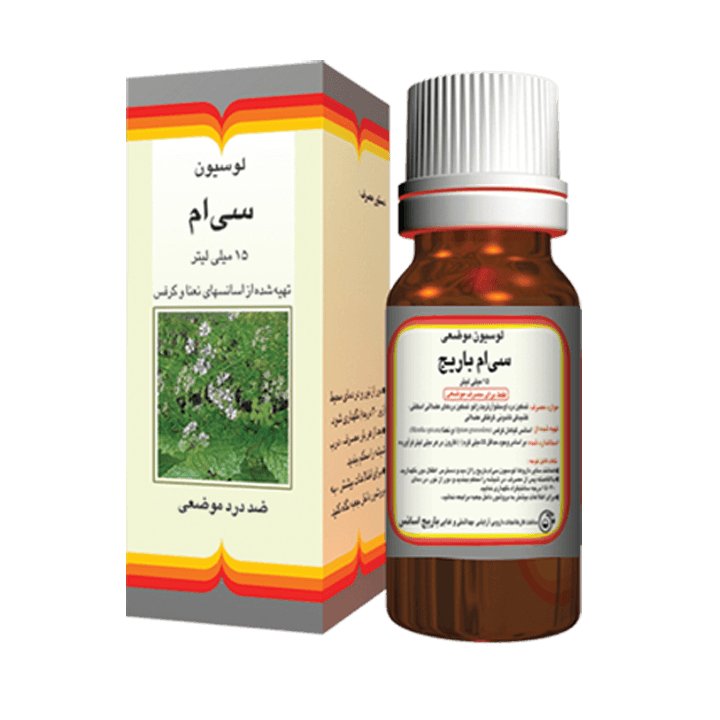
In a double-blind, placebo-controlled study, 102 patients with knee osteoarthritis were randomly assigned into three groups: mucosal lotion, mucous membrane lotion, localized lotion, and placebo lotion for topical application of the lotion 4 times daily. A re-examination was carried out at 1, 2, 3, 4 and 4 weeks after the initial examination. The pain intensity of the patients in the conditions of walking on the smooth surface, rising from the stairs, falling down the stairs, sleeping, sitting and rising from the slope of the assessment and information obtained by the test Statistical analysis was performed.
Based on the results of this study, 2 and 4 weeks after starting treatment, the effect of mimic lotion and local lotion of Siam on the reduction of pain intensity when walking on the smooth surface was significantly different from placebo (p <0.01). Also, Siam's topical lotion against mint lotion had a better effect on pain intensity when walking on the smooth and sitting surface (although there was no statistically significant difference). After 2 weeks of initiation of treatment, the severity of pain when sleeping in the localized lotion group was significantly lower than that of the mint lotion and the placebo group (p <0.01)
Saler Company Information