
- Seen : 725 View
Back pain gastroesophageal reflux disease (GERD); Lower Esophageal Sphincter (LES) insufficiency. The acidification of the stomach acid in the esophagus causes damage to the esophagus and signs such as heartburn, dry cough, respiration Smelly, sleep disorders, bleeding and ulcers of the esophagus.
Lifestyle change has been supported as one of GERD treatment, which generally falls into 3 groups:
1- Avoiding foods that reduce LES pressure and make reflux such as fatty foods, alcohol, mint, tomatoes and possibly coffee and tea.
2. Avoid acidic foods that naturally stimulate the mucus.
3- Performing behaviors that minimize reflux and heartburn.
The dominant drug approach in GERD is to use gastric acid secretagogues and supports a lot of information about the effectiveness of this approach. Pharmacologically reducing the acidity of stomach acid does not prevent reflux, but improves reflux symptoms and allows the esophagus to heal. Proton pump inhibitors (PPIs) are more effective than histamine H2RAs receptor antagonists, and they are superior to placebo. Side effects of treatment with PPIs are usually low, however, absorption of B12 and iron may be compromised and the patient is prone to infections of the intestine, especially colitis caused by Clostridium difficile.
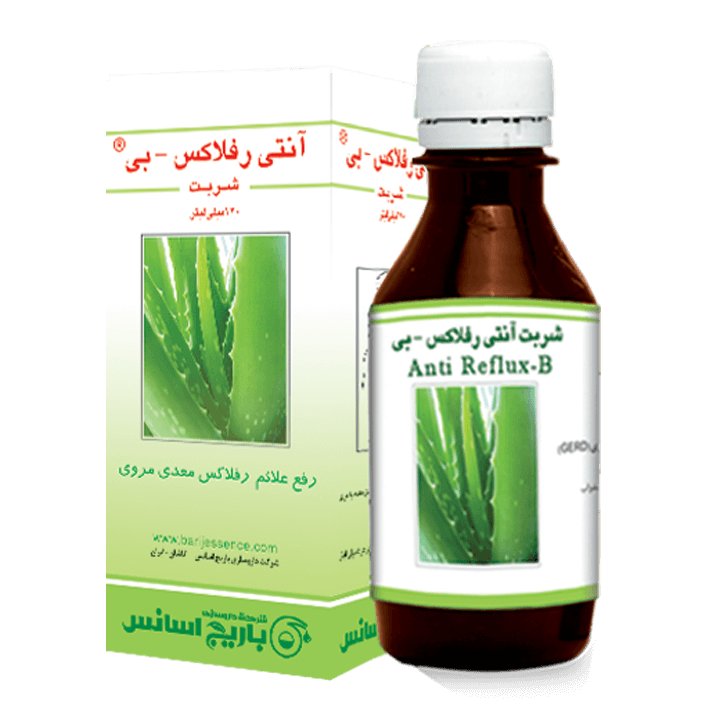
Aloe vera gel (Aloe vera) has various compounds for wound healing, repairing heat damage and burns, and eliminating inflammation. Among the therapeutic uses of Aloe Vera gel, it is used in the relief of acid esophagus into the esophagus.
The effects of the Aloe Vera gel are unknown. However, in vivo, the Aloe Gel and its compounds modify the immune-induced UV-rays. Also in vitro, several components of aloe and its total gel have antioxidant effects. The heaven, which is one of the main components of the aloe gel, has the effects of immune stimulants.
Aloe Vera is a popular drug for the treatment of a wide range of digestive disorders. It has been shown that aloe vera in healthy people improves various parameters of digestive function, including digestive pH.
Following a preliminary report of the effect of Aloe Vera gel on alzapeptic treatment, many studies have been done on animal models as well as on humans. Yousef et al reported that Aloe vera inhibits gastric acid secretion.
Also, aloctin A in aloe vera, in rats whose pylorus has been surgically implanted, reduces acid and pepsin secretion and prevents the onset of gastric ulcer by indomethacin.
Another study has shown that aloe vera decreases the adhesion of leukocytes and αTNF-α levels and increases the level of interleukin 10 and thus accelerates gastric ulcer healing. Also, the emulsion that was prepared by mixing the sap and gel of this plant with mineral oil was used to treat stomach ulcers in patients. It seems that the anti-ulcer effect of aloe vera is due to anti-inflammatory effects, cytoprotective, healing and mucosal stimulation of this plant.
Since, according to previous studies, Aloe vera has a good potential for reducing acid and pepsin secretion, and given the key role of these two agents in damaging the esophagus, this plant has a good potential for GERD treatment. On the other hand, in several studies, the anti-inflammatory effect and the effect of wound healing on Aloe vera have been proven. If GERD is associated with injury and inflammation, Aloe vera is expected to have beneficial effects.
Diabetes mellitus changes the acid secretion and increases the risk of stomach ulcers. In a study, in order to investigate the effect of diabetes mellitus on wound healing parameters and determine the effect of treatment with raw aloe vera gel on it, 20 Wistar albino rats weighing 200-180 g were randomly assigned to one of four groups: control, Treatment-free diabetic (DM), diabetic treated with 0.4 ml / 100 g raw aloe vera gel (DMT), and treated with 0.4 ml / 100 g raw Aloe Vera gel (CT). All groups of rats have access to water and food freely. At the end of the 21-day administration of aloe, standard gastric ulcer was developed using standard methods, and gastric acid score, gastric mucus and gastric ulcer were determined. The results of this study showed that Aloe Vera gel neutralizes the effect of ulcerogenic diabetes by reducing the secretion of gastric acid and increasing the secretion of mucus.
Based on the results of a randomized placebo-controlled study, 58 patients with irritable bowel syndrome (IBS) with diarrhea were responded to this treatment in 35 months of the first month (compared to 22% in the group receiving Aloe vera) Placebo). In general, patients with Aloe vera had a significantly higher response rate compared to placebo (43% versus 22%).
In a randomized, randomized controlled trial with placebo control, the efficacy and safety of the Aloe Vera gel (2 times per 100 ml every 4 weeks) in patients with ulcerative colitis was evaluated. Aloe vera improved clinical remission in 30% of patients (compared to 7% in the placebo group) and improved symptoms in 37% of patients (compared to 7% in the placebo group). The simple clinical index of Simple Clinical Colitis Activity Index and histological scores in aloe vera recipients significantly decreased but did not change in the placebo group.
In a randomized, controlled clinical trial, 79 patients aged 18-65 years with gastro-myrasic reflux for 4 weeks
Saler Company Information