
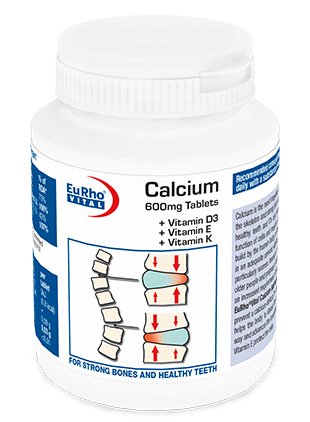
Pills Calcium + Vitamin D / Calcium + Vitamin D
  • Seen : 560 View

0
Pills Calcium + Vitamin D / Calcium + Vitamin D

The human body needs more calcium than other minerals. At least about 2% of the calcium is found in bones and teeth, which makes them strong and hard. The remaining calcium in the body (about 2%) is found in the blood, muscles and nerves of the body, which plays an important role in regulating the physiological function of the body. Pregnancy plays a vital role in maintaining the health of the fetus. The human body needs more calcium than other minerals, and the adult human body has about 1-2 grams of calcium.

Calcium is a white, soft and shiny element. In the human body, calcium is found in various compounds such as calcium carbonate, calcium phosphate and calcium sulfate. High levels of fat, oxalic acid and phytic acid in the food can prevent proper absorption of calcium. All types of calcium in the food, the absorption and storage of this mineral, in addition to being dependent on other factors, also depends on how much it is absorbed. Typically, about 2 to 4 percent of this mineral is absorbed from the digestive tract into the bloodstream. In general, the rate of uptake of this element increases during the period of rapid growth where the body needs more minerals. Calcium uptake also depends on the health of the stomach, intestine, and intake of adequate vitamins such as D, C, B12 and phosphorus.


The Role of Calcium in Health:

- Tooth and bone health:

Calcium is one of the most important constituents of bones and teeth. The bone-forming mineral mainly consists of hydroxyapatite crystals, which have the most calcium and phosphorus. Bone is an active and dynamic tissue that is restored and repaired during life. Bone cells, called osteoclasts, begin the process of remodeling through bone resorption or reabsorption. Bone-forming cells called osteoblasts then synthesize new bone to replace the bone that has been reabsorbed. During normal growth, the bone formation process takes longer than it reabsorbs. Osteoporosis (osteoporosis) occurs when bone resorption is greater than its formation.

- Cellular conduction:

Calcium plays an important role in the tightening of the blood vessels, the nerve wave transmission, muscle contraction and the release of hormones such as insulin. Irritant cells, such as skeletal muscle cells and neurons, have voltage-dependent calcium channels in cell membranes that cause changes in the concentration of calcium ions. For example, the calcium channels in the cell membrane are opened by the muscle fibers receiving the nerve fiber and the calcium ions are introduced into the muscle cell. Calcium ions bind to intracellular activating proteins that are responsible for their release from storage into the cell. Binding of calcium to the protein Troponin C initiates a phase that leads to muscle contraction. Calcium binding to the protein Calmodulin activates enzymes that catalyze the breakdown of glycogen to produce energy for muscle contraction.

- Protein metabolism:

Calcium is effective in maintaining the stability of a number of proteins and enzymes and their function. Binding of calcium ions is required for activation of vitamin K-dependent coagulation factors during coagulation (clot formation). The term coagulation involves a series of reactions, each of which is dependent on the other and stops the bleeding by creating a clot.

- Health during pregnancy:

Calcium is needed for proper fetal growth, normal maternal health during pregnancy and lactation, and secretion of breast milk.

- Helping to use other nutrients:

Calcium is needed for proper use of phosphorus, vitamins D, C and A.


Calcium Deficiency:

People who have calcium deficiency in the body appear colorless, inattentive, tired, and lazy. Calcium deficiency causes changes in bones and muscles. These people are more susceptible to cold weather, are nervous and suffer from mental disorders.

Cold sweating is the most obvious symptom of calcium deficiency of all ages. Calcium deficiency can cause soft, porous and porous bones, tooth decay, palpitations, muscle cramps, insomnia, and epilepsy. Children born to mothers with calcium deficiency also suffer from calcium deficiency. Calcium deficiency in these children becomes more severe if they are not fed on dairy products, fruits and vegetables containing no minerals, calcium, proteins and vitamins. Lack of calcium in children can slow down the growth of bones and teeth and reduce their appetite. If they insist on eating, they may leave food and milk out of their bodies. Children with calcium deficiency suffer from delayed tooth decay and are prone to having large throats. Calcium deficiency reduces the body's resistance and these children quickly develop gastrointestinal and respiratory infections. Calcium deficiency in young girls causes delayed puberty, irregular menstruation, severe bleeding with abdominal pain, anemia and decreased body resistance to infection.

In cases of insufficient calcium intake during pregnancy, fetal development continues by extracting stored calcium from the bones, which contributes to a decrease in the strength of the baby's bones. Bleeding, breast milk deficiency, memory loss and prolongation of the two

Saler Company Information

Company : Hakimian Teb Kar
More Information : View
Online order registration form
No comments have been posted yet
loading
Your comment has been sent
Pills Calcium + Vitamin D / Calcium + Vitamin D

The human body needs more calcium than other minerals. At least about 2% of the calcium is found in bones and teeth, which makes them strong and hard. The remaining calcium in the body (about 2%) is found in the blood, muscles and nerves of the body, which plays an important role in regulating the physiological function of the body. Pregnancy plays a vital role in maintaining the health of the fetus. The human body needs more calcium than other minerals, and the adult human body has about 1-2 grams of calcium.

Calcium is a white, soft and shiny element. In the human body, calcium is found in various compounds such as calcium carbonate, calcium phosphate and calcium sulfate. High levels of fat, oxalic acid and phytic acid in the food can prevent proper absorption of calcium. All types of calcium in the food, the absorption and storage of this mineral, in addition to being dependent on other factors, also depends on how much it is absorbed. Typically, about 2 to 4 percent of this mineral is absorbed from the digestive tract into the bloodstream. In general, the rate of uptake of this element increases during the period of rapid growth where the body needs more minerals. Calcium uptake also depends on the health of the stomach, intestine, and intake of adequate vitamins such as D, C, B12 and phosphorus.


The Role of Calcium in Health:

- Tooth and bone health:

Calcium is one of the most important constituents of bones and teeth. The bone-forming mineral mainly consists of hydroxyapatite crystals, which have the most calcium and phosphorus. Bone is an active and dynamic tissue that is restored and repaired during life. Bone cells, called osteoclasts, begin the process of remodeling through bone resorption or reabsorption. Bone-forming cells called osteoblasts then synthesize new bone to replace the bone that has been reabsorbed. During normal growth, the bone formation process takes longer than it reabsorbs. Osteoporosis (osteoporosis) occurs when bone resorption is greater than its formation.

- Cellular conduction:

Calcium plays an important role in the tightening of the blood vessels, the nerve wave transmission, muscle contraction and the release of hormones such as insulin. Irritant cells, such as skeletal muscle cells and neurons, have voltage-dependent calcium channels in cell membranes that cause changes in the concentration of calcium ions. For example, the calcium channels in the cell membrane are opened by the muscle fibers receiving the nerve fiber and the calcium ions are introduced into the muscle cell. Calcium ions bind to intracellular activating proteins that are responsible for their release from storage into the cell. Binding of calcium to the protein Troponin C initiates a phase that leads to muscle contraction. Calcium binding to the protein Calmodulin activates enzymes that catalyze the breakdown of glycogen to produce energy for muscle contraction.

- Protein metabolism:

Calcium is effective in maintaining the stability of a number of proteins and enzymes and their function. Binding of calcium ions is required for activation of vitamin K-dependent coagulation factors during coagulation (clot formation). The term coagulation involves a series of reactions, each of which is dependent on the other and stops the bleeding by creating a clot.

- Health during pregnancy:

Calcium is needed for proper fetal growth, normal maternal health during pregnancy and lactation, and secretion of breast milk.

- Helping to use other nutrients:

Calcium is needed for proper use of phosphorus, vitamins D, C and A.


Calcium Deficiency:

People who have calcium deficiency in the body appear colorless, inattentive, tired, and lazy. Calcium deficiency causes changes in bones and muscles. These people are more susceptible to cold weather, are nervous and suffer from mental disorders.

Cold sweating is the most obvious symptom of calcium deficiency of all ages. Calcium deficiency can cause soft, porous and porous bones, tooth decay, palpitations, muscle cramps, insomnia, and epilepsy. Children born to mothers with calcium deficiency also suffer from calcium deficiency. Calcium deficiency in these children becomes more severe if they are not fed on dairy products, fruits and vegetables containing no minerals, calcium, proteins and vitamins. Lack of calcium in children can slow down the growth of bones and teeth and reduce their appetite. If they insist on eating, they may leave food and milk out of their bodies. Children with calcium deficiency suffer from delayed tooth decay and are prone to having large throats. Calcium deficiency reduces the body's resistance and these children quickly develop gastrointestinal and respiratory infections. Calcium deficiency in young girls causes delayed puberty, irregular menstruation, severe bleeding with abdominal pain, anemia and decreased body resistance to infection.

In cases of insufficient calcium intake during pregnancy, fetal development continues by extracting stored calcium from the bones, which contributes to a decrease in the strength of the baby's bones. Bleeding, breast milk deficiency, memory loss and prolongation of the two

Saler Company Information

Company : Hakimian Teb Kar
More Information : View
Online order registration form