
- Seen : 581 View
Synthetic fibers (synthetic)
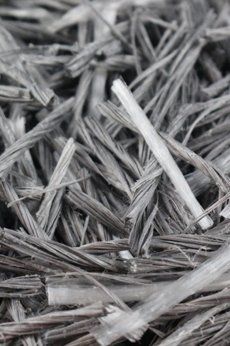
Due to the fact that recycled cellulose and protein fibers are made of natural materials and their production became more and more difficult and expensive, efforts were made in this field to obtain synthetic fibers through chemical compounds. As a result, it can be said that the raw materials of this group of fibers are chemicals that are artificially prepared and do not have a fibrous structure, and through the synthesis of raw materials and by performing the necessary chemical operations, the fibrous structure is given to them and Nature has no role in making them or in any part of the process of preparing them. The subgroups of these fibers are very diverse; Examples are polyamides such as nylon, prolone, polyester such as tetron, dacron, tregal and trillin.
Polyamide fibers are the first fibers to be produced industrially in the United States and Germany. These fibers are the result of the efforts and research of an American chemist named "Wallace Hume Carrots". In 1938 he succeeded in making strong fibers called nylon (6-6) which was supplied by DuPont.
Properties of synthetic fibers
Resistance to use makes it possible to produce goods that are strong, light and compact at the same time.
Resistance to a number of acids, bases, solvents, which justifies their use in protective clothing and industrial fabrics.
Thermoplastic that makes the fibers suitable for pleated or permanent folding operations.
Resistant to rot (eg suitable for fishing nets)
Dimensional stability, which is remarkable for all goods that are washed frequently.
UV resistance (in the case of polyester and acrylic fibers, which are widely used in coatings, furniture fabrics and outdoor storage).
The strength of the finest type of nylon thread filament, which has made it difficult to use them in surgery for sutures, artificial arteries, etc.
Chemical fibers have made it possible for consumers to consume a wide range of textile products. These fibers are an important factor in social progress. After the polyester blends with wool and cotton or viscose were thoroughly examined, it became possible to produce garments of non-wrinkle, light, strong, and reasonably priced qualities, and light men's suits were produced for the summer. . In addition to conventional applications, chemical textiles have made it possible to produce new goods; From socks and women's clothing to wall coverings and sails of boats and aircraft wheels can be produced with these chemical textiles.
Saler Company Information