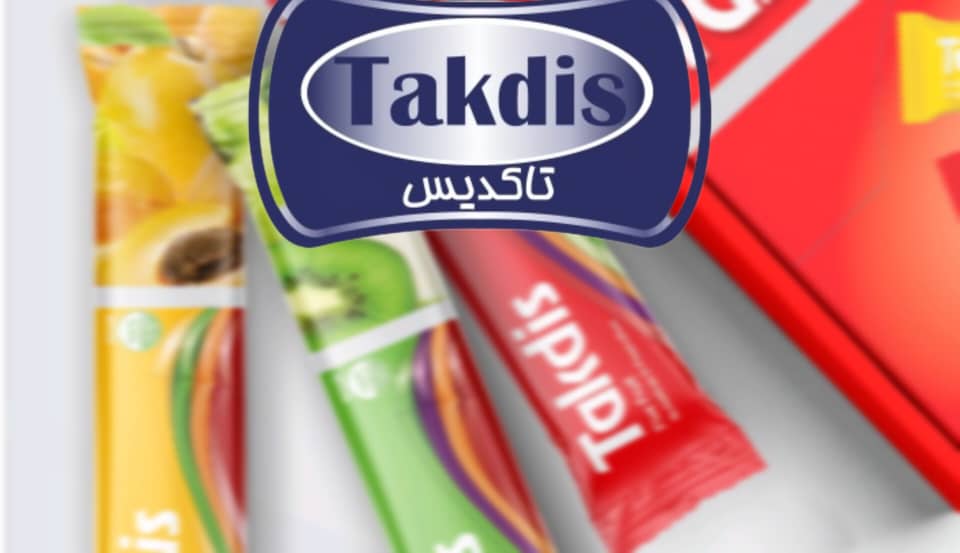

Lemon Cold Tea
  • Seen : 592 View

0
Lemon Cold Tea

Tea plant is a plant, shrub or tree with the name of the science THEA SINENSIS or CAMELIA and the tea family (THEACEAE). The plant is grown in hot weather in parts of the world such as India, China, Sri Lanka, Japan, and Iran.

Tea is a 3,000-year-old herb that is less than 115 years old when it arrives in Iran. When around 1280, tea was picked up and consumed by Iranians, nobody thought that this warm and pleasant drink would become the number one drink in the country, and take the place of coffee, especially in cafes. The interest and popularity of the Iranian people was so much that tea lasted less than 25 years from the arrival of tea leaves to the country until hectares of land were landed for domestic production. Cold tea is one of the world's newest tea-based products, with its cool, flavourless taste. Lemon Cold Tea is a special flavor specialty for all lemon fans that can fit into our diet.


nutrition values

Black tea is a good source of potassium, manganese, fluoride, vitamin A and B6. Meanwhile, caffeine can not be ignored.


Do not use lemon cold tea

Black tea has two very strong and unique antioxidants called typhobulin and thyrobidzin. Both these antioxidants have a very effective role in lowering blood cholesterol levels. Tea has antioxidant properties and antioxidant compounds that can protect the body from free radicals. Tea has a high volume of polyphenols as a strong antioxidant. Polyphenols have anti-bacterial, anti-viral and anti-cancer properties. High caffeine in tea also increases alertness, and so it is very beneficial to take hot or cold tea at breakfast or at the time of examinations for students and students (and all those who need to be alert and focused). Do not forget that caffeine can cause iron excretion, and therefore, it is not recommended to take tea until about 30 minutes after eating the main meals for women and people with anemia.


How much and when should we eat?

Drinking at least 3 cups of black tea per day can reduce the chance of a stroke and heart rate by up to 21%. Of course, it's safe to say that caffeine in tea is both diarrhea and sleep in your head. Therefore, taking this product at the end of the night, especially for the elderly and children, is not recommended.

Saler Company Information

Company : Alifard
Phone : 0098218926
More Information : View
Online order registration form
No comments have been posted yet
loading
Your comment has been sent
Lemon Cold Tea

Tea plant is a plant, shrub or tree with the name of the science THEA SINENSIS or CAMELIA and the tea family (THEACEAE). The plant is grown in hot weather in parts of the world such as India, China, Sri Lanka, Japan, and Iran.

Tea is a 3,000-year-old herb that is less than 115 years old when it arrives in Iran. When around 1280, tea was picked up and consumed by Iranians, nobody thought that this warm and pleasant drink would become the number one drink in the country, and take the place of coffee, especially in cafes. The interest and popularity of the Iranian people was so much that tea lasted less than 25 years from the arrival of tea leaves to the country until hectares of land were landed for domestic production. Cold tea is one of the world's newest tea-based products, with its cool, flavourless taste. Lemon Cold Tea is a special flavor specialty for all lemon fans that can fit into our diet.


nutrition values

Black tea is a good source of potassium, manganese, fluoride, vitamin A and B6. Meanwhile, caffeine can not be ignored.


Do not use lemon cold tea

Black tea has two very strong and unique antioxidants called typhobulin and thyrobidzin. Both these antioxidants have a very effective role in lowering blood cholesterol levels. Tea has antioxidant properties and antioxidant compounds that can protect the body from free radicals. Tea has a high volume of polyphenols as a strong antioxidant. Polyphenols have anti-bacterial, anti-viral and anti-cancer properties. High caffeine in tea also increases alertness, and so it is very beneficial to take hot or cold tea at breakfast or at the time of examinations for students and students (and all those who need to be alert and focused). Do not forget that caffeine can cause iron excretion, and therefore, it is not recommended to take tea until about 30 minutes after eating the main meals for women and people with anemia.


How much and when should we eat?

Drinking at least 3 cups of black tea per day can reduce the chance of a stroke and heart rate by up to 21%. Of course, it's safe to say that caffeine in tea is both diarrhea and sleep in your head. Therefore, taking this product at the end of the night, especially for the elderly and children, is not recommended.

Saler Company Information

Company : Alifard
Phone : 0098218926
More Information : View
Online order registration form