

- Seen : 351 View
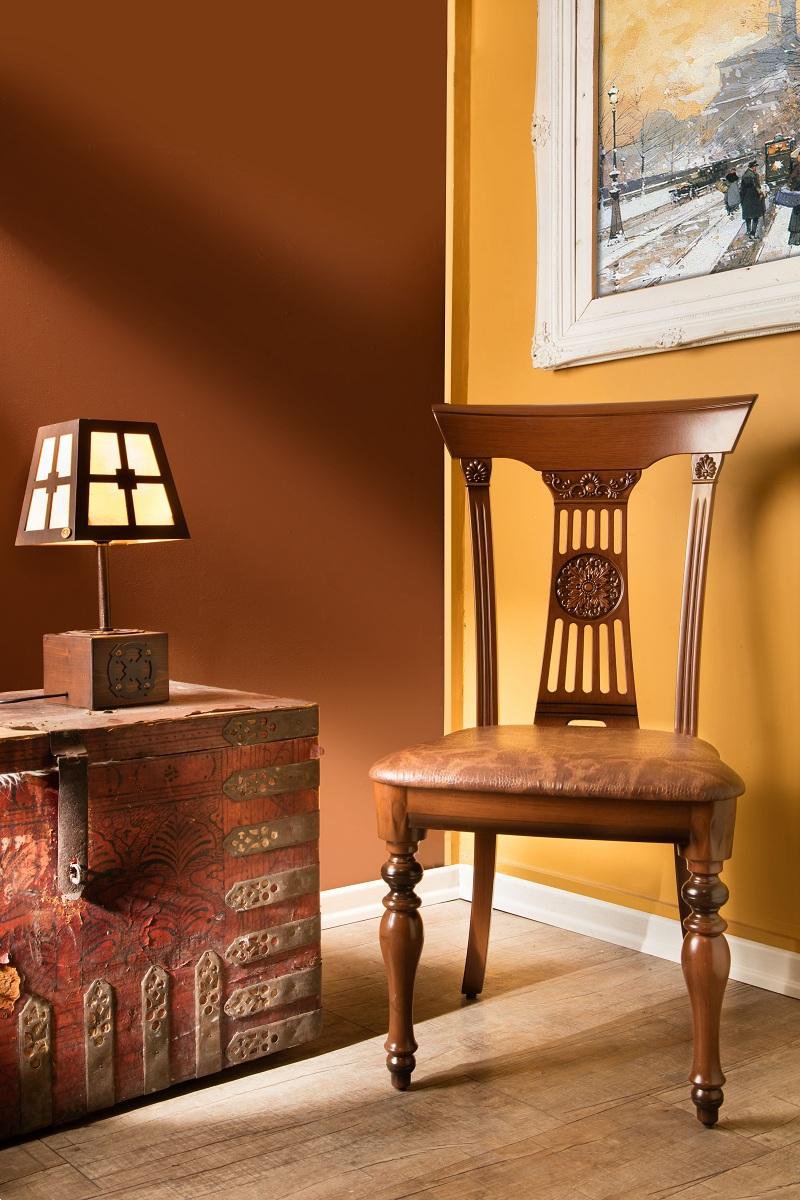
First of all, the light weight of this chair should be mentioned, which stems from the use of light wood, which is at the same time strong and, of course, the fence of the living room. It must be said that this chair is actually the "mother" of the chairs.
The second important feature is the elegant appearance of this chair. Especially since it relies on subtle curves. "Seat No. 14", despite its extraordinary strength, has a special beauty and elegance that is not limited to a certain period and time and is still stable. The quality of "No. 14" is so high that examples of this chair can be found that were made in the nineteenth century and are still used despite the passing of several generations.
Other important features of this chair include its size and compactness. As mentioned, the six pieces and multi-screws used in the construction of the "seat number 14" easily fit inside the cardboard carton, and this in itself has played an important role in sending it to different parts of the world. It is also familiar to Iranians, although it is mistakenly called the "Polish chair."
The upper bouts featured two cutaways, for easier access to the higher frets. At the same time, the curves used in the back of the seat have an escape to the Tent seats. The bars used in the backrest are also designed with a slight change and compression by looking at the Vinsor and Tont chair.
The living room, however, instead of mats or wood, has been paved to provide more comfort and softness. The pedestals, like the Winsor chair and the Polish chair, are open to each other, but in the Yalda chair, the pedestals are thicker and the front pedestal form is modeled on the form of the carved pedestals.
Suggested sets
The Yalda chair, taken from the Tont style chair (Polish), can also be well combined with the Negin table in terms of similarity to the shape of the bases and with the Sepehr table in terms of weight and dignity of this table.
Saler Company Information