
- Seen : 1799 View
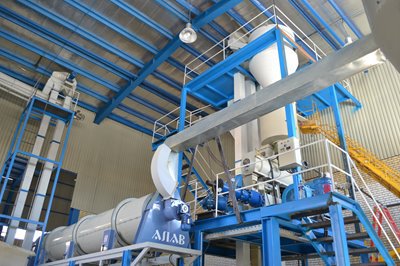
Soybean is a strategic product in the whole world, which includes 8 main varieties and is used in the oil industry, but soybeans contain large amounts of stimulants, inhibitors, sensitizers, goiters, and anticoagulants that are used to remove or reducing these factors, raw soybeans must be processed.
Various methods are used to process raw soybeans, such as roasting, micronization, expanding, pelletizing, dry and wet extrusion, etc., and each of the mentioned methods has a different effect on the nutritional value of soybeans. Meanwhile, extrusion cooking, which is one of the High temperature & Short time processes, takes place at a temperature of 150-160 degrees Celsius for 15 to 20 seconds, and the result of this processing is the production of high-fat soybeans. During the processing process, the anti-nutritional factors of soybeans are reduced up to 85%. Also, soybeans contain a large amount of oil that cannot be used by animals, which seeps into the intercellular space during the extrusion of the oil, and in addition to increasing the energy density, a large amount of vitamin E is provided to the animal. Soybean oil contains high levels of saturated and unsaturated omega-6 and omega-3 fatty acids, the presence of these non-essential fatty acids in the food of animals such as calves, goats and chickens is essential because these fatty acids are not produced in the body and are required for production. Pseudo-hormones, prostaglandins and prostacyclins are necessary, these substances regulate many cellular actions in the body such as blood coagulation, blood pressure and immune responses.
* Enrichment of chicken meat using soybean full fat
Studies conducted in the field of human nutrition show that omega-3 and omega-6 fatty acids play an important role in preventing cardiovascular diseases, obesity and some diseases, and in fact, this is an important reason why these fatty acids are not Saturated are called good fats.
Today, nutritionists are seeking to enrich animal and protein products using unsaturated fatty acids, and enriching animal products and reducing the share of saturated fatty acids using omega fatty acids through genetic and nutritional studies are of particular importance. Is. The composition of fatty acids in animal fats is derived from the fats in animal feed, and full-fat soy contains unsaturated fatty acids, especially linoleic acid, and has a better balance of fatty acids even compared to other vegetable oils. Therefore, the use of soybean full fat can have an effective role in enriching chicken meat.
* Soybean full fat in feeding dairy cows
It seems that the first and most important limiting factor in increasing milk production, especially at the beginning of calving, is the lack of energy, and it is very difficult to provide a dense diet in terms of energy at the beginning of the lactation period, and the solution to this problem is the use of fat supplements in It is diet and the most important reason for using fat is that it produces energy 2 to 3 times more than carbohydrates and proteins, and in addition to producing pure energy from breastfeeding, it must also have high digestibility and palatability, which sources include:
a) Vegetable oils that are not suitable for feeding dairy cows due to their negative effects on rumen fermentation and reduced fiber digestibility, and the effects of their abuse are diarrhea, loss of appetite and weight loss.
b) Processed oil seeds, such as high-fat soybeans, high-fat mandab and fat powder, which contain large amounts of trans fat due to processing, which eliminates the negative effects on rumen fermentation, as well as high-fat soybeans or ful Soybean fat contains a large amount of transunsaturated fatty acids, which is very important in the quality of produced milk.
The use of heated soybean full fat as a raw material, which contains 18-20% oil, has been proposed for many years as a rich source of energy in the diet of high-producing cows. In addition, soy has the highest amount of protein in the family of legumes (legumes), and most importantly, it contains a high amount of lysine (7.2% in dry matter), and for this reason, soy protein is called vegetable casein because it is very similar to Casein is milk.
In processed soybeans, not only the anti-nutritional factors that bind with digestive enzymes are removed, but the increased soybean transit protein is resistant to microbial decomposition in the rumen. The amount of milk production and, in parallel, the amount of conjugated delinoleic acid (CLA) in the milk of cows that use soy full fat increases. Increasing the amount of CLA is known as an anti-cancer agent in humans. During research, people who use milk containing CLA have reduced breast cancer, prostate cancer, and liver abnormalities.
* Benefits of using full fat soy in feeding broiler chickens
Increase in apparent metabolizable energy (AME) in broiler
Increasing the digestibility of carbohydrates due to the structural change of polysaccharides
Improving the energy efficiency of the ration due to the presence of oil, especially in hot seasons
Increasing the quality and improving the loss of the carcass due to the reduction of the fat percentage of the carcass and abdominal cavity
* Benefits of using soybean full fat in feeding laying hens
Egg size increase due to the presence of unsaturated fatty acids, especially linoleic acid
Improving production due to the high amount of vitamins such as niacin, pantothenic acid, thiamin, folic acid and choline.
Increased appetite
Continuity of production, especially during the peak period
Improving food conversion rate
* Benefits of using soybean full fat in animal nutrition
Preparation of high-energy ration at the beginning of the lactation period and as a result increase milk and fat production
Increasing the digestibility of dietary fiber and being resistant to microbial decomposition in the rumen
Increase the table
Saler Company Information