
- Seen : 493 View
Guinea pig has a simple and herbivorous stomach. Pigs, like rabbits, eat feces, which allows them to increase the efficiency of protein absorption and thus meet the need for B vitamins. If these animals, like other domestic herbivores, have continuously growing teeth from the act of eating feces, then a hard surface is needed for chewing and grinding Indian teeth. Because similar to many animals, until the stomach is full, they eat more than they need to meet their metabolic needs, so their consumption should be regulated.
Compounds:
chopped alfalfa, corn bran, seasonal dried fruit, corn, soy, barley, dicalcium phosphate, molasses, soybean oil, rice, salt, carbona
Calcium, magnesium oxide, potassium chloride, fructo-oligosaccharide, L vitamin DL, C-methionine, yeast extract, vitamin A, choline chloride, tocopherol, iron sulfate, riboflavin supplement, manganese oxide, zinc oxide, vitamin B12 supplement, vitamin E supplement, Niacin L-Carnitine, Copper Sulfate, Vitamin K, Rosemary Extract, Citric Acid, Vitamin D3, Pyridoxine Hydrochloride, Thiamin Mononitrate, Folic Acid, Biotin, Dried Bacillus Subtilis Specialty Probiotic, Cobalt, Sodium Selenite.
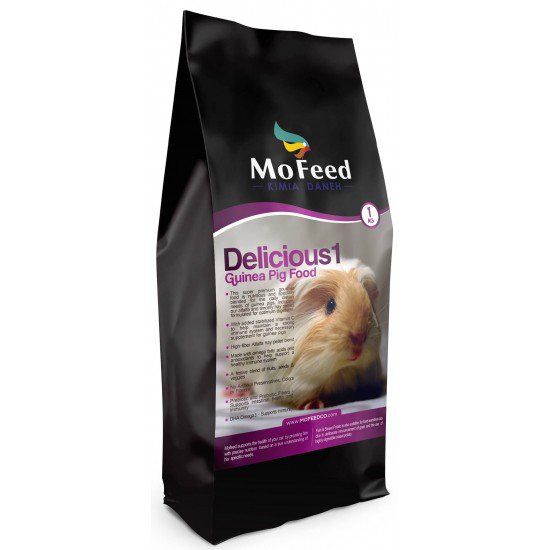
Delicious1 recommended ration is a grain-based nut ration. Oily seeds and cellulose fiber that provide all the nutritional needs of this animal. Pellets with high hardness cause teeth wear and still contain fat-soluble vitamin supplements and vitamin B complex. 70% of the hamster's diet should be filled with high-fiber hay, which is suitable for both animal feeding and nesting. Always provide fresh drinking water to the animal. When feeding your hamster, always be careful not to feed it again when it is finished to avoid selective feeding.
Saler Company Information