
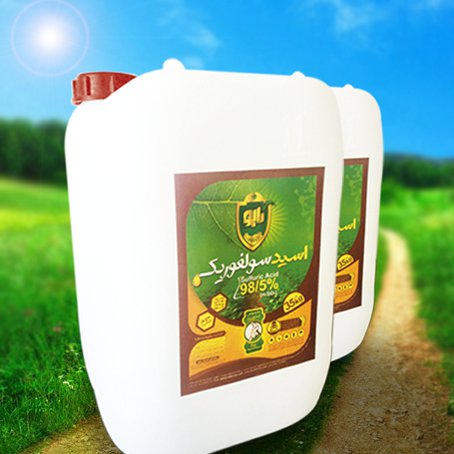
sulfuric acid
  • Seen : 560 View

0
sulfuric acid

Sulfuric acid (sulfur essence) was discovered for the first time by the Iranian scientist Zakaria Razi in the 9th century. He obtained this substance through dry distillation of minerals that included iron sulfate (green alum) and copper sulfate (blue cut). Later, other people such as John Glauber, John Roebeck and Joseph Gillusak presented other methods to produce this substance. Today, sulfuric acid is used in the industry and production of various chemicals, so there is a need for a method for high and cost-effective production of this material. Sulfuric acid can be produced from the reaction of SO3 with water, but this method is not practical due to the exothermic nature of the reaction and the existence of problems in controlling the reaction. Therefore, the contact method in the vicinity of the catalyst is used to produce this substance.

Sulfuric acid is a very strong mineral acid that is naturally present in gases released from volcanoes and dissolves in water at any percentage. Its reaction with water is extremely exothermic, so adding water to it at once should be avoided. Sulfuric acid has a great affinity with water, so it separates hydrogen and oxygen in the form of water in reaction with other substances. Sulfuric acid is corrosive and forms a major part of acid rain. During rain, water droplets react with pollutants from factories and cars that are suspended in the air and produce acid. Sulfuric acid reacts with metals and the higher the temperature, the higher the rate of this reaction, but it has no effect on mercury and lead. Sulfuric acid is included in the list of dangerous substances.

It should be noted that sulfuric acid is one of the most widely used chemicals. This material has many applications in chemical reactions and production processes of other chemical compounds. Its most important use is in the production of chemical fertilizers, refining of petroleum products, chemical industries (antifreeze, insecticides, pharmaceuticals, aluminum recovery), iron and steel industry, synthetic cleaners, acidification of oil wells, separation of low grade copper, uranium extraction. and artificial glue, colored materials (colored nylon, writing ink) and preparation of TiO2 from ilmenite, synthetic silk and film (silk fabrics, thread around tires and photographic films), papermaking industries (paper napkins, newspapers, cardboard boxes, writing paper and other cardboards), explosives, etc. can be mentioned. Sulfuric acid reacts with nitric acid to produce nitronium ion, which is used in the nitroation process of many other compounds. Nitriding process is used in explosives production industries such as trinitrotoluene or TNT, nitroglycerin, etc. Sulfuric acid is used as an electrolyte solution in lead storage (lead batteries) such as car batteries. Sulfuric acid is also a very strong dehydrating agent. In most of the reactions, it is used as a hydration agent, and in the production of dry fruits, sulfuric acid is used in a small amount to absorb the existing water.

Sulfuric acid in agriculture

Due to the high consumption of sulfuric acid in industry and agriculture, the amount of consumption of this substance in a country can be considered as a good indicator to calculate the economic trend of an industrial society. Sulfuric acid is one of the most widely used chemicals and is used in a wide range of applications. Its main use is in chemical fertilizer factories. It can be said that the main use of sulfuric acid is in the preparation of phosphate and sulfate chemical fertilizers, so that about sixty percent of the consumption market of this product is dedicated to the production of chemical fertilizers.

Sulfuric acid added to the soil immediately reacts with the lime in the soil and neutralizes it. The reaction of sulfuric acid with carbonates in the soil mainly leads to the production of aqueous calcium sulfate (agricultural chalk) and to a much lesser extent magnesium sulfate and double sulfate of calcium and magnesium. Due to the rapidity of the above-mentioned reaction (neutralization of sulfuric acid with lime), the acid cannot remain in the soil to damage the plant roots, and the most economical way to correct the unfavorable characteristics of a clay soil is to use sulfuric acid. For example, 98% sulfuric acid is used in agricultural fields and orchards to reduce the alkalinity of water and soil, especially in pistachio orchards in Kerman province. that by using sulfuric acid as a correction material after two to three repetitions, soil permeability is increased and the problem of soil ventilation is high at the same time. By improving the ventilation condition of a clay soil, the growth and development conditions of an important part of the factors that cause soil-borne diseases are eliminated.

So, in short, the effects of sulfuric acid in agriculture can be described as follows:

Reducing the amount of alkalinity (PH) of soil and water
soil salinity correction (EC)
Improving the condition of ventilation in clay soils
The ability to form organic sulfates in soil and water

There is no time limit for using sulfuric acid. Sulfuric acid can be used to improve the soil throughout the year, although it is better if acid is used during the winter when the weather is cool and evaporation is low, the reason for this is the possibility of heavier irrigation during the winter. Also, the amount of sulfuric acid consumption in gardens and farms is calculated according to the pH of water and soil and water flow rate

Saler Company Information

Company : Rabu Tejarat Ariyaie
Mobile : 00989215906863
More Information : View
Online order registration form
No comments have been posted yet
loading
Your comment has been sent
sulfuric acid

Sulfuric acid (sulfur essence) was discovered for the first time by the Iranian scientist Zakaria Razi in the 9th century. He obtained this substance through dry distillation of minerals that included iron sulfate (green alum) and copper sulfate (blue cut). Later, other people such as John Glauber, John Roebeck and Joseph Gillusak presented other methods to produce this substance. Today, sulfuric acid is used in the industry and production of various chemicals, so there is a need for a method for high and cost-effective production of this material. Sulfuric acid can be produced from the reaction of SO3 with water, but this method is not practical due to the exothermic nature of the reaction and the existence of problems in controlling the reaction. Therefore, the contact method in the vicinity of the catalyst is used to produce this substance.

Sulfuric acid is a very strong mineral acid that is naturally present in gases released from volcanoes and dissolves in water at any percentage. Its reaction with water is extremely exothermic, so adding water to it at once should be avoided. Sulfuric acid has a great affinity with water, so it separates hydrogen and oxygen in the form of water in reaction with other substances. Sulfuric acid is corrosive and forms a major part of acid rain. During rain, water droplets react with pollutants from factories and cars that are suspended in the air and produce acid. Sulfuric acid reacts with metals and the higher the temperature, the higher the rate of this reaction, but it has no effect on mercury and lead. Sulfuric acid is included in the list of dangerous substances.

It should be noted that sulfuric acid is one of the most widely used chemicals. This material has many applications in chemical reactions and production processes of other chemical compounds. Its most important use is in the production of chemical fertilizers, refining of petroleum products, chemical industries (antifreeze, insecticides, pharmaceuticals, aluminum recovery), iron and steel industry, synthetic cleaners, acidification of oil wells, separation of low grade copper, uranium extraction. and artificial glue, colored materials (colored nylon, writing ink) and preparation of TiO2 from ilmenite, synthetic silk and film (silk fabrics, thread around tires and photographic films), papermaking industries (paper napkins, newspapers, cardboard boxes, writing paper and other cardboards), explosives, etc. can be mentioned. Sulfuric acid reacts with nitric acid to produce nitronium ion, which is used in the nitroation process of many other compounds. Nitriding process is used in explosives production industries such as trinitrotoluene or TNT, nitroglycerin, etc. Sulfuric acid is used as an electrolyte solution in lead storage (lead batteries) such as car batteries. Sulfuric acid is also a very strong dehydrating agent. In most of the reactions, it is used as a hydration agent, and in the production of dry fruits, sulfuric acid is used in a small amount to absorb the existing water.

Sulfuric acid in agriculture

Due to the high consumption of sulfuric acid in industry and agriculture, the amount of consumption of this substance in a country can be considered as a good indicator to calculate the economic trend of an industrial society. Sulfuric acid is one of the most widely used chemicals and is used in a wide range of applications. Its main use is in chemical fertilizer factories. It can be said that the main use of sulfuric acid is in the preparation of phosphate and sulfate chemical fertilizers, so that about sixty percent of the consumption market of this product is dedicated to the production of chemical fertilizers.

Sulfuric acid added to the soil immediately reacts with the lime in the soil and neutralizes it. The reaction of sulfuric acid with carbonates in the soil mainly leads to the production of aqueous calcium sulfate (agricultural chalk) and to a much lesser extent magnesium sulfate and double sulfate of calcium and magnesium. Due to the rapidity of the above-mentioned reaction (neutralization of sulfuric acid with lime), the acid cannot remain in the soil to damage the plant roots, and the most economical way to correct the unfavorable characteristics of a clay soil is to use sulfuric acid. For example, 98% sulfuric acid is used in agricultural fields and orchards to reduce the alkalinity of water and soil, especially in pistachio orchards in Kerman province. that by using sulfuric acid as a correction material after two to three repetitions, soil permeability is increased and the problem of soil ventilation is high at the same time. By improving the ventilation condition of a clay soil, the growth and development conditions of an important part of the factors that cause soil-borne diseases are eliminated.

So, in short, the effects of sulfuric acid in agriculture can be described as follows:

Reducing the amount of alkalinity (PH) of soil and water
soil salinity correction (EC)
Improving the condition of ventilation in clay soils
The ability to form organic sulfates in soil and water

There is no time limit for using sulfuric acid. Sulfuric acid can be used to improve the soil throughout the year, although it is better if acid is used during the winter when the weather is cool and evaporation is low, the reason for this is the possibility of heavier irrigation during the winter. Also, the amount of sulfuric acid consumption in gardens and farms is calculated according to the pH of water and soil and water flow rate

Saler Company Information

Company : Rabu Tejarat Ariyaie
Mobile : 00989215906863
More Information : View
Online order registration form