
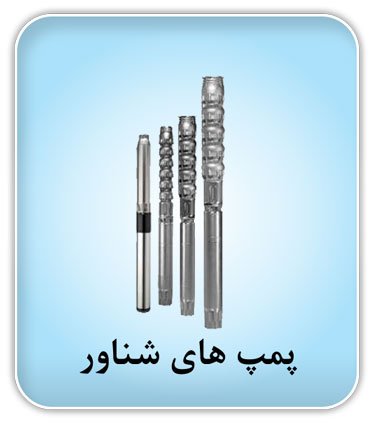
Submersible water pump
  • Seen : 885 View

0
Submersible water pump

Pumps for deep wells

• Sewage drainage pumps

• Floating discharge pumps (gloves)

Water in nature always travels in a closed orbit, changing its state from liquid to vapor or solid, and vice versa.

Most of the precipitation after precipitation, directly or through the transpiration of plants, vaporizes and returns to the sky. Groundwater applies.

Floating Pump Features

Energy saving

Increase efficiency

No need for foundation and low startup costs

Low maintenance costs

Stability and working silence and no heat increase in the surrounding environment suitable for permanent operation

Storage and transportation methods

The floating electromotor should be stored in a dry, confined space at appropriate temperatures (for pumps 5 and -60 and for motors 5-30).

The electropump must be stored vertically or rotated 90 degrees monthly if stored horizontally.

Installation Tips and Methods

Floating electro-pumps can be installed in three ways:

• Vertical Electromotor (most used method)

• Horizontal Electromotor (to install electropump in this case must be coordinated with the manufacturer's sales engineering department to make the necessary changes)

• oblique electric motor (least used and horizontal mode)

The pump must be installed where it is free from the risk of sandblasting and sludge (they are installed half a meter above the bottom of the well).

Because installation cannot be accessed after installation, the installation process must be very careful.

In deep wells, a one-way valve should be installed every 60 meters.

Radial impeller pumps (flat floor) are not suitable for extracting water from sandy wells (impeller type of each pump is specified by the manufacturer)

The surface of the engine should not be exposed to calcareous and alkaline sediments because the sediments formed on the engine body prevent it from being cooled by water and cause engine failure.

Cooling cover should be used for installation in tanks or water levels lower than permitted or installed at sea.

Saler Company Information

Company : Abniro
More Information : View
Online order registration form
No comments have been posted yet
loading
Your comment has been sent
Submersible water pump

Pumps for deep wells

• Sewage drainage pumps

• Floating discharge pumps (gloves)

Water in nature always travels in a closed orbit, changing its state from liquid to vapor or solid, and vice versa.

Most of the precipitation after precipitation, directly or through the transpiration of plants, vaporizes and returns to the sky. Groundwater applies.

Floating Pump Features

Energy saving

Increase efficiency

No need for foundation and low startup costs

Low maintenance costs

Stability and working silence and no heat increase in the surrounding environment suitable for permanent operation

Storage and transportation methods

The floating electromotor should be stored in a dry, confined space at appropriate temperatures (for pumps 5 and -60 and for motors 5-30).

The electropump must be stored vertically or rotated 90 degrees monthly if stored horizontally.

Installation Tips and Methods

Floating electro-pumps can be installed in three ways:

• Vertical Electromotor (most used method)

• Horizontal Electromotor (to install electropump in this case must be coordinated with the manufacturer's sales engineering department to make the necessary changes)

• oblique electric motor (least used and horizontal mode)

The pump must be installed where it is free from the risk of sandblasting and sludge (they are installed half a meter above the bottom of the well).

Because installation cannot be accessed after installation, the installation process must be very careful.

In deep wells, a one-way valve should be installed every 60 meters.

Radial impeller pumps (flat floor) are not suitable for extracting water from sandy wells (impeller type of each pump is specified by the manufacturer)

The surface of the engine should not be exposed to calcareous and alkaline sediments because the sediments formed on the engine body prevent it from being cooled by water and cause engine failure.

Cooling cover should be used for installation in tanks or water levels lower than permitted or installed at sea.

Saler Company Information

Company : Abniro
More Information : View
Online order registration form