Separation in oil and gas
  • Seen : 2123 View

0
Separation in oil and gas

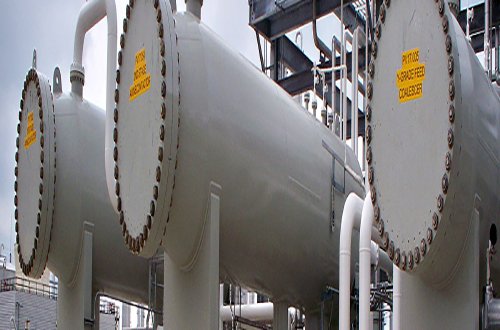
Oil and Gas Separation In oil terms, a separator is called a pressure vessel used to separate fluid and gas from fluid and gas wells. In oil production, the separator is a large tank designed to separate production fluids into their constituents including oil, gas and water.

The following terms all refer to separators: oil and gas separator, stage separator, trap, knockout vessel, knockout drum. knockout drum, knockout trap, water knockout or liquid knockout, flash chamber, flash vessel, flash trap, expansion trap separator), expansion vessel, scrubber, gas scrubber, filter and gas filter ..

Separator tanks are typically used on a platform near the wellhead, manifold, or tank, separating liquids produced in oil and gas wells into liquids and gases. In general, oil and gas separators include the following components and features:
1. A repository containing:

Device and / or Primary Separation Unit
Gravity settling or secondary separation
Mist extractor to remove small liquid particles from the gas
Gas outlet
Sludge separation or separation of liquids to remove gas and vapor from oil; in three-phase units, it also separates water from oil.
Oil output
2. Water outlet in three phase units 2. Sufficient volume of liquid to remove liquid surge or slugs from wells or flow lines.
3. The diameter, height or sufficient length of the tank to allow more liquid to be extracted from the gas so that the extractor will not be filled with water.
4. A device for controlling the oil level in the separator, usually comprising a liquid level control device and a diaphragm motor valve at the gas outlet.
5. A backpressure at the gas outlet to maintain constant pressure in the tank.
6. Pressure safety devices.

The separators work on the principle that the three components have different densities that allow them to be layered in slow motion, with gas at the top, water at the bottom, and oil in the middle. Any solids such as sand are also deposited at the bottom of the separator. The function of oil and gas separators can be divided into primary and secondary functions.

Saler Company Information

Company : Absun Zolal
Phone : 00982123568
More Information : View
Online order registration form
No comments have been posted yet
loading
Your comment has been sent
Separation in oil and gas

Oil and Gas Separation In oil terms, a separator is called a pressure vessel used to separate fluid and gas from fluid and gas wells. In oil production, the separator is a large tank designed to separate production fluids into their constituents including oil, gas and water.

The following terms all refer to separators: oil and gas separator, stage separator, trap, knockout vessel, knockout drum. knockout drum, knockout trap, water knockout or liquid knockout, flash chamber, flash vessel, flash trap, expansion trap separator), expansion vessel, scrubber, gas scrubber, filter and gas filter ..

Separator tanks are typically used on a platform near the wellhead, manifold, or tank, separating liquids produced in oil and gas wells into liquids and gases. In general, oil and gas separators include the following components and features:
1. A repository containing:

Device and / or Primary Separation Unit
Gravity settling or secondary separation
Mist extractor to remove small liquid particles from the gas
Gas outlet
Sludge separation or separation of liquids to remove gas and vapor from oil; in three-phase units, it also separates water from oil.
Oil output
2. Water outlet in three phase units 2. Sufficient volume of liquid to remove liquid surge or slugs from wells or flow lines.
3. The diameter, height or sufficient length of the tank to allow more liquid to be extracted from the gas so that the extractor will not be filled with water.
4. A device for controlling the oil level in the separator, usually comprising a liquid level control device and a diaphragm motor valve at the gas outlet.
5. A backpressure at the gas outlet to maintain constant pressure in the tank.
6. Pressure safety devices.

The separators work on the principle that the three components have different densities that allow them to be layered in slow motion, with gas at the top, water at the bottom, and oil in the middle. Any solids such as sand are also deposited at the bottom of the separator. The function of oil and gas separators can be divided into primary and secondary functions.

Saler Company Information

Company : Absun Zolal
Phone : 00982123568
More Information : View
Online order registration form