
- Seen : 497 View
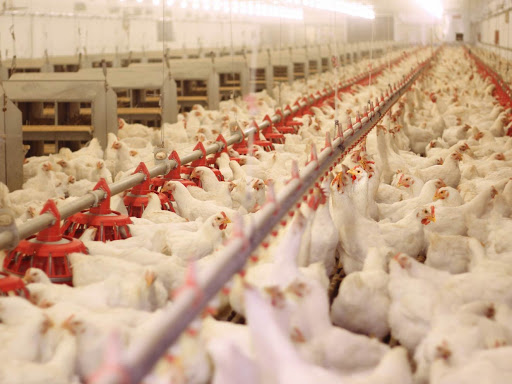
Ammonia is a gas that is created in poultry houses as a result of the enzymatic fermentation of nitrogenous waste materials, especially urea, and by the enzyme that is secreted from the microorganisms in the substrate.
In poultry houses, ammonia gas is one of the main causes of the onset or exacerbation of respiratory diseases, general bacillosis, and subsequently the exacerbation of ascites and the increase of casualties.
Factors predisposing to the occurrence of respiratory diseases
A- Presence of ammonia gas in the hall. Ammonia gas destroys the mobile and delicate cilia of the respiratory tract, and therefore dust and pathogens easily enter the deep parts of the respiratory system and air sacs.
B- E.coli bacteria of the bed also penetrates into the air sacs along with other pathogenic substances.
C- When E.coli enters the respiratory system and air sacs, general bacillosis occurs and ultimately leads to reduced growth, reduced food conversion efficiency, increased casualties, increased antibiotic consumption, and increased production costs.
Platform management
Litter management in poultry farming is a problem that is not given much attention. Since the origin of ammonia gas production in poultry farming is the litter, therefore, with proper management, the production of ammonia gas from the litter can be reduced to a certain extent, but with the increase in the humidity of the hall and the litter and watering caused by water troughs, etc., it is possible to stop the production of ammonia gas. Under no circumstances, even with the best management practices in place.
Relationship between temperature, humidity and ventilation with ammonia gas
An increase in the temperature and humidity of the hall causes an increase in the production of ammonia gas, and in most cases, even with the best ventilation method, it is not possible to completely remove the ammonia gas from the hall.
Saler Company Information