converter
  • Seen : 347 View

0
converter

A heat exchanger is a device that has coils, tubes or plates that absorb heat from fluids, liquids or air and transfer it to another fluid (swimming pool water).
Pool exchangers are produced and presented in two types, "shell and tube" and "plate".
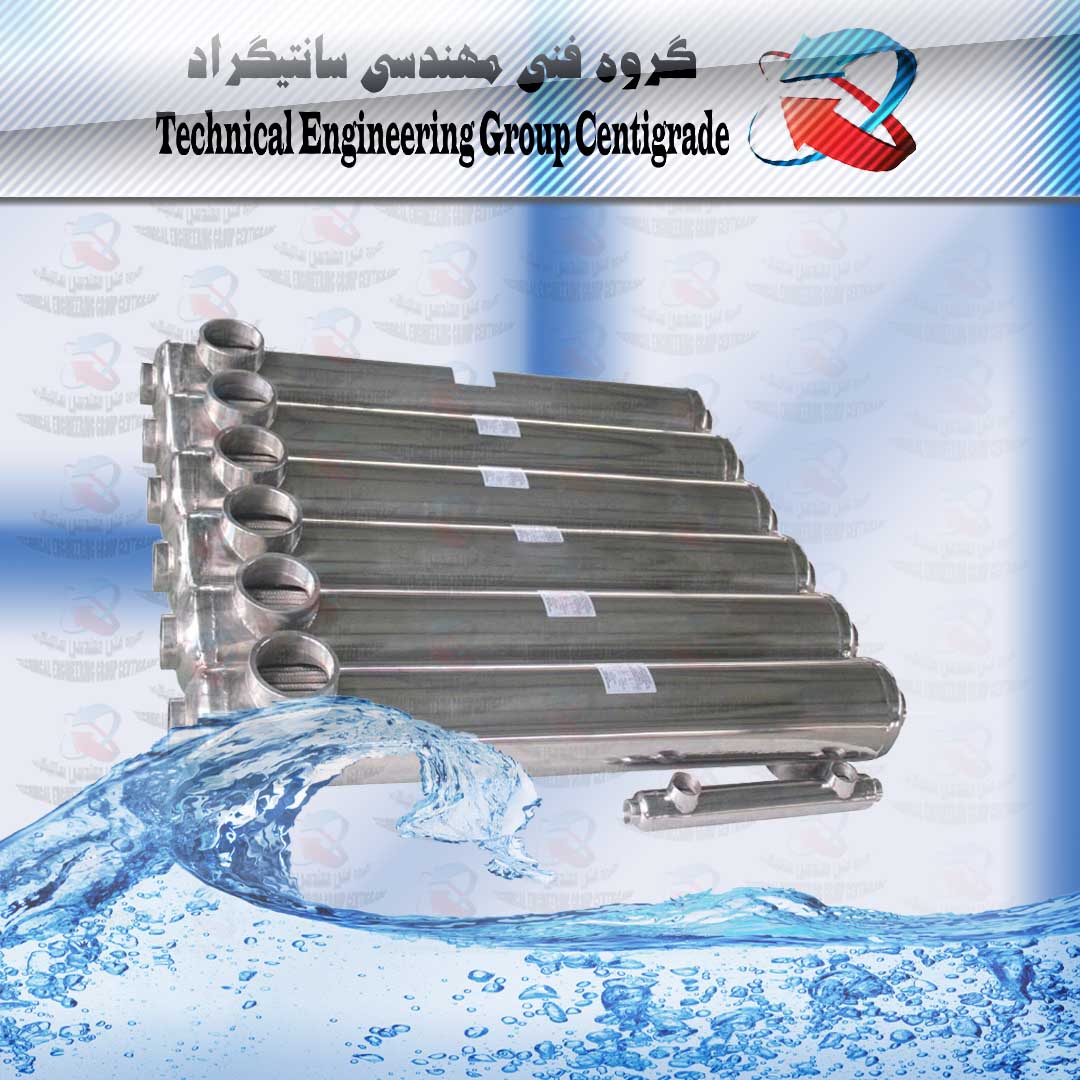
Image of a sample shell and tube exchanger for pool water heating
The image of a plate converter for pool water heating
Pool water can be heated in two ways, direct and indirect.
If you don't have direct heaters or if you can use hot water from a boiler or a package for a radiator, hot water or a pool, you should use a heat exchanger to heat the pool.
There are several methods to calculate and determine the size of the pool heat exchanger. The size of the equipment needed to heat the pool water is determined based on the amount of heat needed to raise the pool water temperature to the desired level in a certain period of time plus an additional amount for drops.
How to use the pool is one of the most important considerations in determining the capacity of the heat exchanger. Some pools are used only periodically, for example on the weekend. In these cases, from an economic point of view, the heat exchanger should only be turned on during the use of the pool and just before it. This exchanger must be able to not only heat the required volume of water in a certain period of time, but also compensate for heat losses caused by conduction and surface evaporation during a period of 24 hours.
The amount of surface evaporation depends on several factors, including the temperature of the pool water, the temperature of the ambient air, and the speed of the air from the top of the pool. The heat loss from the pool water to the ground is so small that it is not considered in the calculations. If the time we consider for heating the pool water is small, we should use a heat exchanger with a higher heating power. The maximum time for heating the pool water (it means the time it takes for the pool water to reach the desired temperature from cold conditions) for pools that work periodically (for example, one day a week) is 24 hours. But most of the pools are used continuously during the season, and for this reason, you should bring their water from cold to the desired temperature only once at the beginning of the season. In this case, the system pre-startup period is considered a maximum of 48 hours. Choosing a longer duration for pre-commissioning reduces the initial cost of the system. In this case, the capacity of the converter will also decrease.

Saler Company Information

Company : Celsius Engineering Technical Group
More Information : View
Online order registration form
No comments have been posted yet
loading
Your comment has been sent
converter

A heat exchanger is a device that has coils, tubes or plates that absorb heat from fluids, liquids or air and transfer it to another fluid (swimming pool water).
Pool exchangers are produced and presented in two types, "shell and tube" and "plate".
Image of a sample shell and tube exchanger for pool water heating
The image of a plate converter for pool water heating
Pool water can be heated in two ways, direct and indirect.
If you don't have direct heaters or if you can use hot water from a boiler or a package for a radiator, hot water or a pool, you should use a heat exchanger to heat the pool.
There are several methods to calculate and determine the size of the pool heat exchanger. The size of the equipment needed to heat the pool water is determined based on the amount of heat needed to raise the pool water temperature to the desired level in a certain period of time plus an additional amount for drops.
How to use the pool is one of the most important considerations in determining the capacity of the heat exchanger. Some pools are used only periodically, for example on the weekend. In these cases, from an economic point of view, the heat exchanger should only be turned on during the use of the pool and just before it. This exchanger must be able to not only heat the required volume of water in a certain period of time, but also compensate for heat losses caused by conduction and surface evaporation during a period of 24 hours.
The amount of surface evaporation depends on several factors, including the temperature of the pool water, the temperature of the ambient air, and the speed of the air from the top of the pool. The heat loss from the pool water to the ground is so small that it is not considered in the calculations. If the time we consider for heating the pool water is small, we should use a heat exchanger with a higher heating power. The maximum time for heating the pool water (it means the time it takes for the pool water to reach the desired temperature from cold conditions) for pools that work periodically (for example, one day a week) is 24 hours. But most of the pools are used continuously during the season, and for this reason, you should bring their water from cold to the desired temperature only once at the beginning of the season. In this case, the system pre-startup period is considered a maximum of 48 hours. Choosing a longer duration for pre-commissioning reduces the initial cost of the system. In this case, the capacity of the converter will also decrease.

Saler Company Information

Company : Celsius Engineering Technical Group
More Information : View
Online order registration form