

- Seen : 1851 View
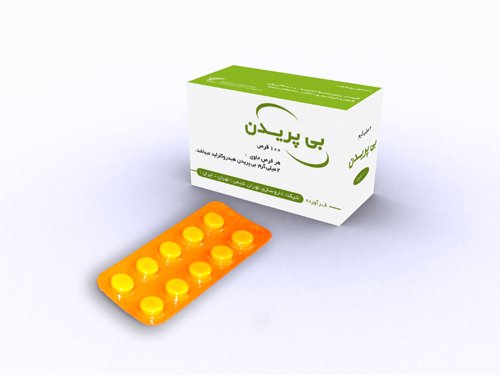
Generic name: Bird Pridine
Brand: ®Nimuscar
Indications:
It is used to treat Parkinsonism and to remove the symptoms of extraripyramidine medications.
General tips:
To benefit from this medication, its benefits should be weighed against its harms, and it is the doctor's responsibility to diagnose it. In the case of hydrochloride dispensing tablets, the following should be considered:
If you have allergies: If you have a history of allergies to any anti-Parkinson drugs or other substances, such as foods, proteins or colorings, talk to your doctor.
Children may be more sensitive to the effects of anti-Parkinson drugs, and this may increase the likelihood of side effects during treatment.
The most common is anxiety, confusion, confusion, visual illusions, memory loss, and mental changes in the elderly.
-Usage of other medications: Although some medications should not be taken at the same time, in other cases, two different medications can be co-administered even if side effects occur. In these cases, the doctor may need to change the dosage or some precautions. If you take any of the following medicines, inform your doctor:
Anti-cholinergic drugs (antispasmodic drugs or abdominal cramps), depressant drugs for the central nervous system (medications that cause drowsiness), antidepressants (because they may exacerbate the effects of pseudatevirus and increase the likelihood of unwanted side effects). )
- Other diseases - Some diseases may affect the use of this drug. Talk to your doctor if you have any of the following illnesses or problems:
Problems with urination, prostate enlargement, glaucoma, cardiovascular disease, high blood pressure, bowel obstruction, myasthenia gravis (malignant muscle weakness), or uncontrolled movements of the hands, mouth or tongue. Because antiparcinans can make the condition worse.
Kidney disease, or liver - as the amount of this drug may increase in the blood and increase the risk of side effects.
Consumption in pregnancy and lactation:
There has been no study on the use of this drug during pregnancy in humans or animals, but there has not been any problem with the use of antiparicons in pregnant women. Although most drugs are secreted in breast milk, consult your doctor if you are breastfeeding your baby. This medication may reduce the secretion of milk.
Recommendations and Warnings:
- Regularly consult your doctor to control your treatment or change your dose.
- It may be that your doctor will ask you to take an eye exam while taking this medication.
Do not stop taking this medication without consulting your doctor. There may be a need for a gradual decrease in the amount of the dose.
This medicine has been shown to increase the effects of drugs that reduce the activity of the central nervous system (such as antihistamines, cold medicines, hypnotics and tranquilizers, opioid analgesics, antiepileptic drugs, muscle relaxants, or anesthetic drugs and topical anesthetics) and alcohol. Talk to your doctor about taking any of these medicines.
- Do not take this medicine immediately with anti-diarrhea drugs for less than an hour, as the effect of the medicine may be reduced.
- In case of overdose, call an emergency immediately. The excess of this drug may cause anesthesia. Other symptoms of overdose include:
Unconsciousness, seizure, dizziness and severe sleepiness, severe dry mouth, nose and throat, heart rate, hallucinations, mental changes, dyspnea, difficulty sleeping, warmth, dry skin or unusual skin irritation.
- This drug may cause eye sensitivity to light. You can use sunglasses and avoid exposure to direct sunlight.
- This medicine may cause blurred vision, drowsiness or dizziness. Take caution when driving or doing things that require vigilance.
-It may become confused, numb or faint when rising up, calm down and consult a physician if you continue to have trouble.
- This medication may reduce sweating. Take care to increase your body temperature during physical activity or warm days to avoid heat.
- This medicine may cause dry mouth. Talk to your doctor if this has lasted for more than two weeks, as persistent dry mouth may cause teeth damage, gum disease, or fungal infection. You can use chewing gum, ice cubes and candy to remove dry mouth.
Amount and method of administration:
Adults: 2 mg three or four times a day. The maximum dose is 16 mg.
Usual use by children: Usage and amount should be determined by your doctor.
Forgotten dose: If you forget a dose, take it immediately and take it immediately if you take it for about 2 hours. If you miss the next dose, disregard it and do not double the next dose.
side effects :
Each drug in addition to the desired effect can cause unwanted side effects. Although not all of these side effects occur in one person, they may require medical attention if they occur.
Talk to your doctor if you have any of the following:
Rare complications - Mood inflammation (aged or overdose), eye pain, rash.
Other side effects of this drug do not usually require treatment, and they are eliminated by continuing treatment and adjusting the dose. However, if you continue to have the following complications, consult your doctor:
Complications with more prevalence - blurred vision, constipation, decreased sweating, difficulty in urinating (especially in older men), sleepiness, dry mouth, nose or throat, sensitization
Saler Company Information