Hydrogen
  • Seen : 279 View

0
Hydrogen

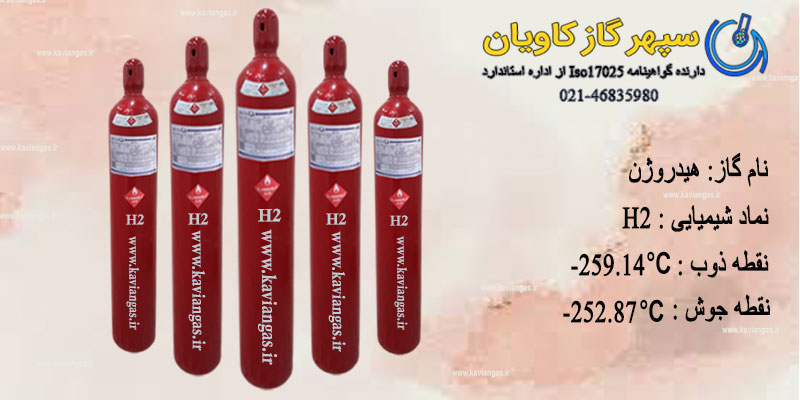
Hydrogen gas is a colorless, odorless and tasteless gas. It can be said that the most abundant element on earth is hydrogen gas. The lightest element in the periodic table belongs to hydrogen gas. Hydrogen contains one electron, one proton and no neutrons. Hydrogen gas can be found everywhere on Earth. Like water, fat, sugar, ammonia, etc., signs of hydrogen gas can be seen in many compounds.

Hydrogen exists in the category of non-metallic elements, but due to the electron arrangement of hydrogen gas and its similarity with the category of alkali metals, it is placed at the top of this group. It should be noted that hydrogen gas and alkali metals do not have similar properties. Unlike alkali metals, hydrogen does not form H+ cation easily. This statement is confirmed by the high ionization energy compared to alkali metals. In fact, the ionization energy of hydrogen is 1312 kJ/mol, while the ionization energy of lithium is equal to 520 kJ/mol.
Preparation of hydrogen gas

There are several methods to produce hydrogen gas. One of the simplest and most common methods of producing hydrogen gas is to take it from H2O water molecules. In this method, hydrogen and oxygen are separated by electrolysis of water and hydrogen is produced. To do this, we need a 9-volt battery.

There is a second method to produce hydrogen gas, which is to use a graphite as an electrode.

Graphite can be considered a good electrode because it is electrically neutral and does not dissolve during electrolysis. Although salt can also help by improving the efficiency of this reaction.

In this method, two pencils, salt, cardboard and a 1.5 volt battery are needed.

The third method of producing hydrogen gas is the use of hydrochloric acid, which is produced using zinc metal. Bubbles are released during the reaction, which contain pure hydrogen. Be careful to avoid contact with acid when producing hydrogen gas in this way.
Hydrogen production and distribution

Hydrogen fuel infrastructure can be designed in different ways. Experts believe that the sources of hydrogen production and the way to transfer and distribute hydrogen depend on geographical conditions and advantages, for example, in areas where there are cheap natural gas sources, the most economical way to produce hydrogen is to produce this gas from gas sources. And if they have access to cheap electricity sources in a region, it is cost-effective to produce hydrogen from electricity sources and by water electrolysis, and in regions that have other fuels such as ethanol, ethanol is very valuable as the primary source of hydrogen production.

Saler Company Information

Company : SGK
More Information : View
Online order registration form
No comments have been posted yet
loading
Your comment has been sent
Hydrogen

Hydrogen gas is a colorless, odorless and tasteless gas. It can be said that the most abundant element on earth is hydrogen gas. The lightest element in the periodic table belongs to hydrogen gas. Hydrogen contains one electron, one proton and no neutrons. Hydrogen gas can be found everywhere on Earth. Like water, fat, sugar, ammonia, etc., signs of hydrogen gas can be seen in many compounds.

Hydrogen exists in the category of non-metallic elements, but due to the electron arrangement of hydrogen gas and its similarity with the category of alkali metals, it is placed at the top of this group. It should be noted that hydrogen gas and alkali metals do not have similar properties. Unlike alkali metals, hydrogen does not form H+ cation easily. This statement is confirmed by the high ionization energy compared to alkali metals. In fact, the ionization energy of hydrogen is 1312 kJ/mol, while the ionization energy of lithium is equal to 520 kJ/mol.
Preparation of hydrogen gas

There are several methods to produce hydrogen gas. One of the simplest and most common methods of producing hydrogen gas is to take it from H2O water molecules. In this method, hydrogen and oxygen are separated by electrolysis of water and hydrogen is produced. To do this, we need a 9-volt battery.

There is a second method to produce hydrogen gas, which is to use a graphite as an electrode.

Graphite can be considered a good electrode because it is electrically neutral and does not dissolve during electrolysis. Although salt can also help by improving the efficiency of this reaction.

In this method, two pencils, salt, cardboard and a 1.5 volt battery are needed.

The third method of producing hydrogen gas is the use of hydrochloric acid, which is produced using zinc metal. Bubbles are released during the reaction, which contain pure hydrogen. Be careful to avoid contact with acid when producing hydrogen gas in this way.
Hydrogen production and distribution

Hydrogen fuel infrastructure can be designed in different ways. Experts believe that the sources of hydrogen production and the way to transfer and distribute hydrogen depend on geographical conditions and advantages, for example, in areas where there are cheap natural gas sources, the most economical way to produce hydrogen is to produce this gas from gas sources. And if they have access to cheap electricity sources in a region, it is cost-effective to produce hydrogen from electricity sources and by water electrolysis, and in regions that have other fuels such as ethanol, ethanol is very valuable as the primary source of hydrogen production.

Saler Company Information

Company : SGK
More Information : View
Online order registration form