
- Seen : 274 View
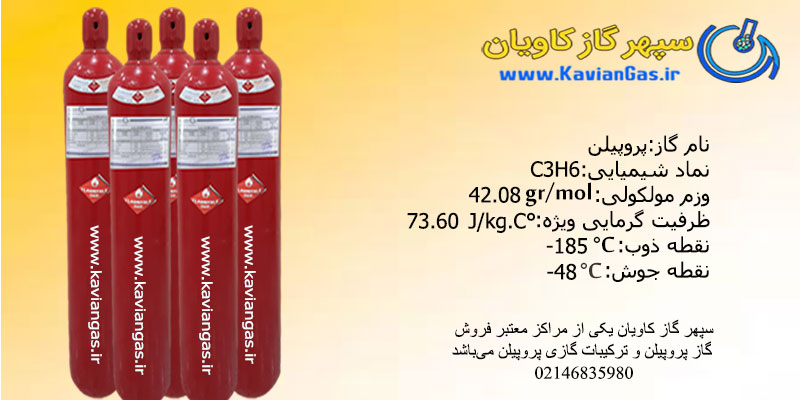
The abbreviated name is propylene (pp), it can be said that propylene is one of the most useful and important polymers used in the world.
Polypropylene is made from the polymerization of propylene under normal conditions, that is, when the temperature and pressure are mild and in the presence of a famous catalyst called Ziegler-Natta. The reason for this catalyst is the isotactic production of polymer that can crystallize up to 90%.
Polypropylene is a polymer that is used in a wide range of fields, for example, it is used in films and sheets, injection molding, food packaging, laboratory equipment, and pipes. Also, the polymer produced from propylene monomer is usually resistant to solvents, acids and bases, which is one of the prominent features of this polymer.
Preparation of propylene gas
Currently, there are technologies for preparing propylene gas, for example, steam cracking method and recycling of refinery flows.
Production of propylene gas by steam cracking method:
It can be said that propylene gas is a side product in the reaction of ethylene production by steam cracking method. Two points must be observed in the production and preparation of propylene. The first point is the preparation of feed, the second is the difficulty of the reaction and process. In addition, since the production of ethylene in the market is saturated, the feed and production method should be selected in such a way that less ethylene is produced than propylene.
Preparation of propylene gas by recycling refinery streams:
The second method of propylene gas production is the recycling of refinery flows. In propane obtained from refinery processes such as catalytic cracking, propylene gas bed fluid is present as a dilute stream. In fact, the ratio of propane gas produced to propylene gas in this method depends on the type of process, feed and reaction conditions. It should be mentioned that in this method, like the steam cracking method, the production of propylene is done in a small and limited way.
Saler Company Information