

- Seen : 496 View
pharmacology
Although the precise mechanism of this drug is unclear, it seems to work by inhibiting the production of prostaglandin and possibly inhibiting phosphodiesterase.
Pharmacokinetics:
Absorption: Gastrointestinal tract is absorbed rapidly and completely.
Broadcast: Highly protein bound.
Metabolism: Metabolises in the liver.
Disposal: Mostly through the urine and some of it is also excreted via bile.
Indications:
• Moderate to severe arthritis, Ankylosing spondylitis
• Acute arthritis caused by gout
• Acute shoulder pain
• Pericarditis
• Dysmenorrhea
prohibited usage:
Excessive known allergy to the drug, history of asthma, hives, or rhinitis symptoms with aspirin or other nonsteroidal anti-inflammatory drugs, nursing infants with untreated infections, acute bleeding of coagulation defects or thrombocytopenia, necrotizing enterocolitis, kidney dysfunction , Taking the rectal form of this drug in patients who have recently had rectal bleeding or rectal inflammation, are breastfeeding.
Caution:
(A) Epilepsy, Parkinsonism, kidney or liver disease, cardiovascular disease, defects known in the internal coagulation pathway, infection or history of mental illness (may aggravate the symptoms of these conditions), in the elderly and gastrointestinal disorders.
B) Patients with known triple symptoms (excessive sensitivity to aspirin, rhinitis / polyps, and asthma) are at high risk of developing spasm of the anus. Steroid anti-inflammatory drugs may indicate signs and symptoms of acute infection (fever, pain, Muscular arrhythmia). Patients at high risk (diabetic patients) should be carefully evaluated.
Drug Interactions:
Concomitant use with drugs that inhibit platelet aggregation, such as depiridamole, valproic acid, aspirin, salicylic acid, or other anti-inflammatory drugs may cause bleeding problems.
Due to the effect of prostaglandins on glucose metabolism, co-administration of indomethacin with insulin or oral hypoglycemic drugs may exacerbate the effects of glucose lowering.
Indomethacin may cause displacement of drugs that have high protein binding to the site of attachment. Co-administration with coumarin, phenytoin, digoxin, verapamil or nifedipine derivatives may lead to poisoning.
This drug may increase methotrexate and lithium kidney keratitis. Consumption along with lowering blood pressure and diuretics may reduce their effectiveness.
Co-administration with triamteren is not recommended as there is a risk of kidney toxicity. Other people may also be exposed to kidney poisoning.
side effects:
Central nerves: headache, dizziness, depression, mood disturbances, peripheral neuropathy, seizure, psychiatric disorders, syncope, dizziness
Cardiovascular: increased blood pressure, heart failure
Skin: itching, rash, hives, Etston-Johnson syndrome
Eyebrows: Blurred vision, corneal and retinal damage, hearing loss, tinnitus
Gastrointestinal: Nausea, vomiting, anorexia, diarrhea, constipation, severe hemorrhage, pancreatitis, hemorrhagic ulcer, acute renal failure, interstitial nephritis, proteinuria, hyperkalemia
Blood: hemolytic anemia, aplastic anemia, agranulocytosis, leukopenia, thrombocytopenic purpura, iron deficiency anemia, decreased platelet aggregation
Other complications: Increased liver enzymes, excessive sensitivity (quasi-shock syndrome, skin rash, respiratory distress, hives), low sodium levels, high blood potassium, low blood glucose
* Note: In the event of excessive sensitivity, significant digestive symptoms, withdrawal symptoms should be noted with signs of liver toxicity.
Maintenance:
Keep at temperatures below 30 ° C. Protect frost.
packing:
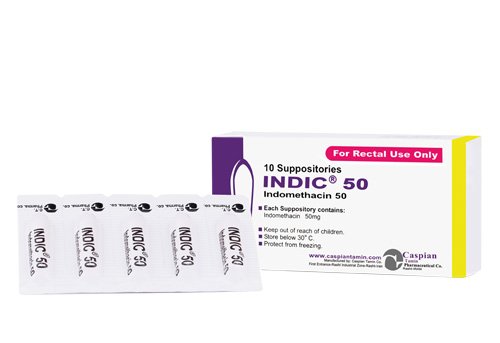
• 50mg suppository: 10-packed package
• 100 mg suppository: 10-packed package
Saler Company Information