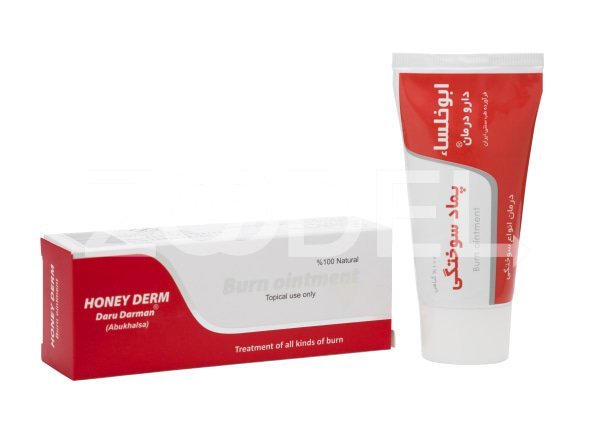
Burn ointment
  • Seen : 2185 View

0
Burn ointment

Product form:

Topical ointment

Compounds:

Sesame Oil, Auctions, Honey Bees

Indications:

Treatment for grade 1 and 2 and 3 burns

Pharmacological works:

Based on clinical findings, Honey Derms have an anti-inflammatory, anti-bacterial, burn-up and anti-scar treatment.

The mechanism of the work:

Fatty acids in sesame oil in combination with beeswax along with the effects of alkanin and flavonoid and flavonoid in the plant extract increase blood supply and proliferation of the stem cells of the skin and increase the rate of repair of damaged tissue and cause newly formed dermal elasticity Get your natural one faster.

Honey also has an antibacterial effect and boosts the immune system by increasing the flow of blood at the burn area, providing a good environment for tissue growth that directly affects the healing of burn wounds.

Unlike most drugs used today to treat burns and control inflammation by suppressing the immune system, Honey Dandruff burns the ointment of the ointment without any side effects and thus increases the speed and quality of burn restoration.


important things:

Avoid contact with ointment.

Keep the ointment out of the reach of children.

Consult a physician for ointment if you are allergic.

Exit of the secretion from the site of the wound during the stages of treatment with the ointment is an indication of the improvement and discharging of the infection and is not a cause for concern.

prohibited usage:

No specific contraindications to ointment have ever been reported.

Consumption during pregnancy and lactation:

Drug use during pregnancy and lactation is a disincentive.

side effects:

Each drug, along with the desired therapeutic effects, may also cause unwanted side effects. Although not all of these side effects are seen in one person, consult with a doctor or pharmacist if you have any complications. Possible side effects of this drug are rash (localized burns) around the burn area.

How to use:

How to use this ointment in different degrees of burn is as follows:

1. In grade 1 burn, which only involves the outer layer of the skin, epidermal, and some degree of redness and inflammation on the skin, first wash the position with normal saline wash, then use a burn pad or dressing gum for ointment, and every 12 Replace the dressing once a day. This type of burn improves on average between 3 and 5 days.

2. In grade 2 burn, which affects the epidermis and part of the dermis, and possibly a blisters, first remove the blisters from the position and wash the position with normal saline serum. Then put a layer of ointment of 2 to 3 mm thick on a special cloth, put on a stomp or, if you have a Abu Khalesa burn pad, use it for dressing. Do not put the medication straight on the stomach in this type of burn. In the absence of a blister, apply the stance as a grade 1 burn. In grade 2 burns, dressing is changed every 24 hours once every 12 hours, if it is observed. The length of treatment in this type of burn is between 10 and 15 days.

3. In grade 3 burns, all skin thickness, ie epidermis and derma, can be damaged and may even damage the tissues under the skin, such as class 2 burn and treat dressings every 24 hours. As long as the infection is completely cured and damaged tissues are recovered, this stage lasts between 20 and 30 days. After this step, until the skin returns to its natural state and color, massage the ointment daily with a cream on the skin. This process typically lasts a month.

Recommended Tips for the Patient:

In grade 1 and 2 burns, daily bathing with soft shampoo and soft lips is advised.

In grade 3 burns, seven days after the first dressing with an ointment in the Honey Derm, and then bathe every two days.

Burning in the burn area is normal for 5 to 10 minutes after ointment and indicates the effect of the drug.

In the event of severe pain in burns, the use of hot compresses on the dressing will help reduce pain and speed up the recovery process.

Determining the right nutritional composition that includes proteins, carbohydrates and lipids in supportive diet is one of the top priorities of burn patients along with treatment.

In 2nd and 3rd degree burns, treatment is recommended by an expert in the wound.

Maintenance:

Keep the ointment in a cool, dry place away from direct sunlight and protect from frost.

packing:

The box contains a 50-gauge tube with its brochure

Saler Company Information

Company : Darudarman Salafchegan
More Information : View
Online order registration form
No comments have been posted yet
loading
Your comment has been sent
Burn ointment

Product form:

Topical ointment

Compounds:

Sesame Oil, Auctions, Honey Bees

Indications:

Treatment for grade 1 and 2 and 3 burns

Pharmacological works:

Based on clinical findings, Honey Derms have an anti-inflammatory, anti-bacterial, burn-up and anti-scar treatment.

The mechanism of the work:

Fatty acids in sesame oil in combination with beeswax along with the effects of alkanin and flavonoid and flavonoid in the plant extract increase blood supply and proliferation of the stem cells of the skin and increase the rate of repair of damaged tissue and cause newly formed dermal elasticity Get your natural one faster.

Honey also has an antibacterial effect and boosts the immune system by increasing the flow of blood at the burn area, providing a good environment for tissue growth that directly affects the healing of burn wounds.

Unlike most drugs used today to treat burns and control inflammation by suppressing the immune system, Honey Dandruff burns the ointment of the ointment without any side effects and thus increases the speed and quality of burn restoration.


important things:

Avoid contact with ointment.

Keep the ointment out of the reach of children.

Consult a physician for ointment if you are allergic.

Exit of the secretion from the site of the wound during the stages of treatment with the ointment is an indication of the improvement and discharging of the infection and is not a cause for concern.

prohibited usage:

No specific contraindications to ointment have ever been reported.

Consumption during pregnancy and lactation:

Drug use during pregnancy and lactation is a disincentive.

side effects:

Each drug, along with the desired therapeutic effects, may also cause unwanted side effects. Although not all of these side effects are seen in one person, consult with a doctor or pharmacist if you have any complications. Possible side effects of this drug are rash (localized burns) around the burn area.

How to use:

How to use this ointment in different degrees of burn is as follows:

1. In grade 1 burn, which only involves the outer layer of the skin, epidermal, and some degree of redness and inflammation on the skin, first wash the position with normal saline wash, then use a burn pad or dressing gum for ointment, and every 12 Replace the dressing once a day. This type of burn improves on average between 3 and 5 days.

2. In grade 2 burn, which affects the epidermis and part of the dermis, and possibly a blisters, first remove the blisters from the position and wash the position with normal saline serum. Then put a layer of ointment of 2 to 3 mm thick on a special cloth, put on a stomp or, if you have a Abu Khalesa burn pad, use it for dressing. Do not put the medication straight on the stomach in this type of burn. In the absence of a blister, apply the stance as a grade 1 burn. In grade 2 burns, dressing is changed every 24 hours once every 12 hours, if it is observed. The length of treatment in this type of burn is between 10 and 15 days.

3. In grade 3 burns, all skin thickness, ie epidermis and derma, can be damaged and may even damage the tissues under the skin, such as class 2 burn and treat dressings every 24 hours. As long as the infection is completely cured and damaged tissues are recovered, this stage lasts between 20 and 30 days. After this step, until the skin returns to its natural state and color, massage the ointment daily with a cream on the skin. This process typically lasts a month.

Recommended Tips for the Patient:

In grade 1 and 2 burns, daily bathing with soft shampoo and soft lips is advised.

In grade 3 burns, seven days after the first dressing with an ointment in the Honey Derm, and then bathe every two days.

Burning in the burn area is normal for 5 to 10 minutes after ointment and indicates the effect of the drug.

In the event of severe pain in burns, the use of hot compresses on the dressing will help reduce pain and speed up the recovery process.

Determining the right nutritional composition that includes proteins, carbohydrates and lipids in supportive diet is one of the top priorities of burn patients along with treatment.

In 2nd and 3rd degree burns, treatment is recommended by an expert in the wound.

Maintenance:

Keep the ointment in a cool, dry place away from direct sunlight and protect from frost.

packing:

The box contains a 50-gauge tube with its brochure

Saler Company Information
Company : Darudarman Salafchegan
More Information : View
Online order registration form