

- Seen : 12100 View
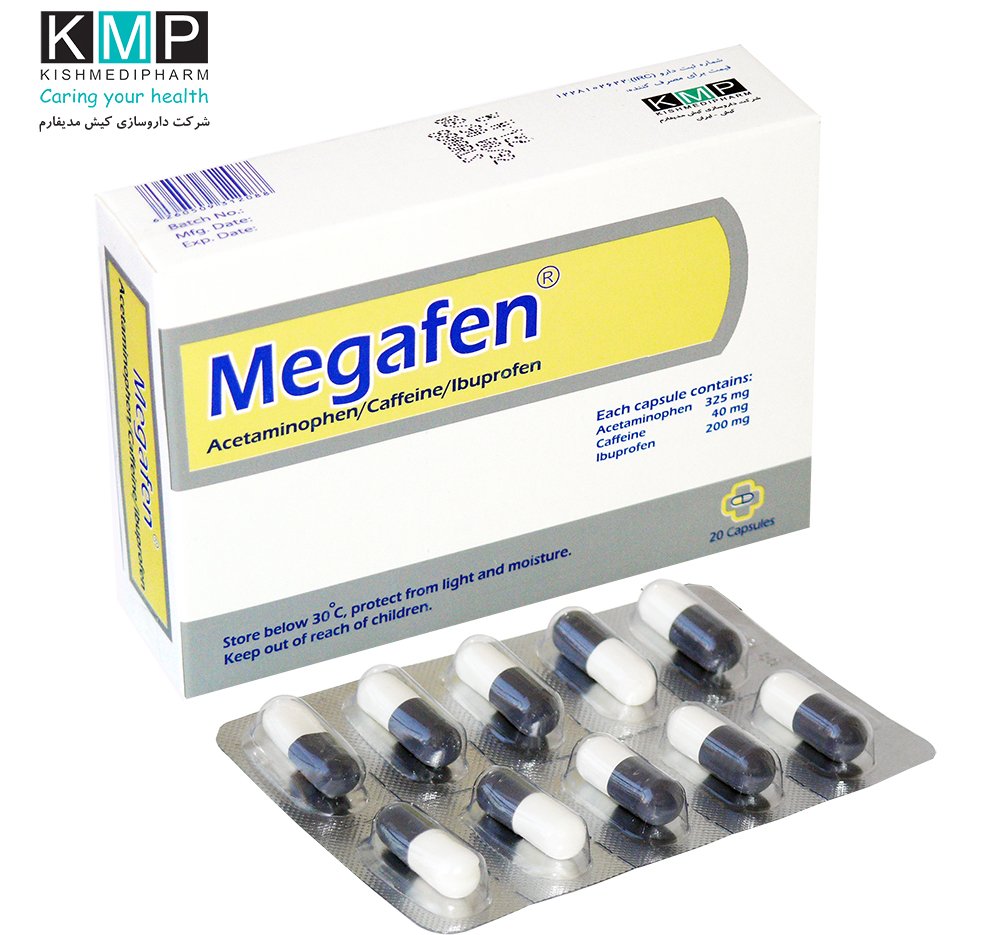
Generic name: Acetaminophen + Ibuprofen + Caffeine
Pharmacological Classification: Non-steroidal anti-inflammatory paraamino-phenol
Therapeutic classification: analgesic, antipyretic
Category of use in pregnancy: Category C
The mechanism of the work:
Caffeine is a mild stimulant of the central nervous system, which shrinks the blood vessels of the brain and this effect may help to relieve the headache. The analgesic and antipyretic effects of this drug are also related to acetaminophen and ibuprofen.
Pharmacokinetics:
Caffeine is well absorbed from the gastrointestinal tract and its half-life is 3-4 hours. Acetaminophen and ibuprofen are also well absorbed from the gastrointestinal tract, and the metabolism is all three liver.
Indications:
Treatment of mild to moderate pain due to headache (neurological and migraine), toothache, musculoskeletal pain, joint pains and dysmenorrhea
prohibited usage:
Liver function insufficiency (may cause liver coma)
Potassium and sodium deficiency or hyperchloraemia acidosis (may exacerbate electrolyte disturbances)
Renal failure
side effects:
Rash, allergic dermatitis, blood disorders, acute pancreatitis are long-term complications of acetaminophen. Nausea, diarrhea, and sometimes bleeding and ulcers may be caused by ibuprofen.
Drug Interactions:
The use of ibuprofen with angiotensin converting enzyme inhibitors may reverse their antihypertensive effect and cause renal insufficiency and increased potassium levels in the blood. Cyclosporine, lithium, methotrexate, triamterene, aspirin and valproic acid interact with ibuprofen in this drug.
Saler Company Information